Kip’s Comments - October 15, 2026
Rain Came With Nice Light and Vivid Colors
As long as I protected my camera equipment, today’s rain came with nice light - very nice light. There were no harsh shadows, no deep contrasts, and gentle light that enhanced colors and….
Kip’s Comments - October 14, 2026
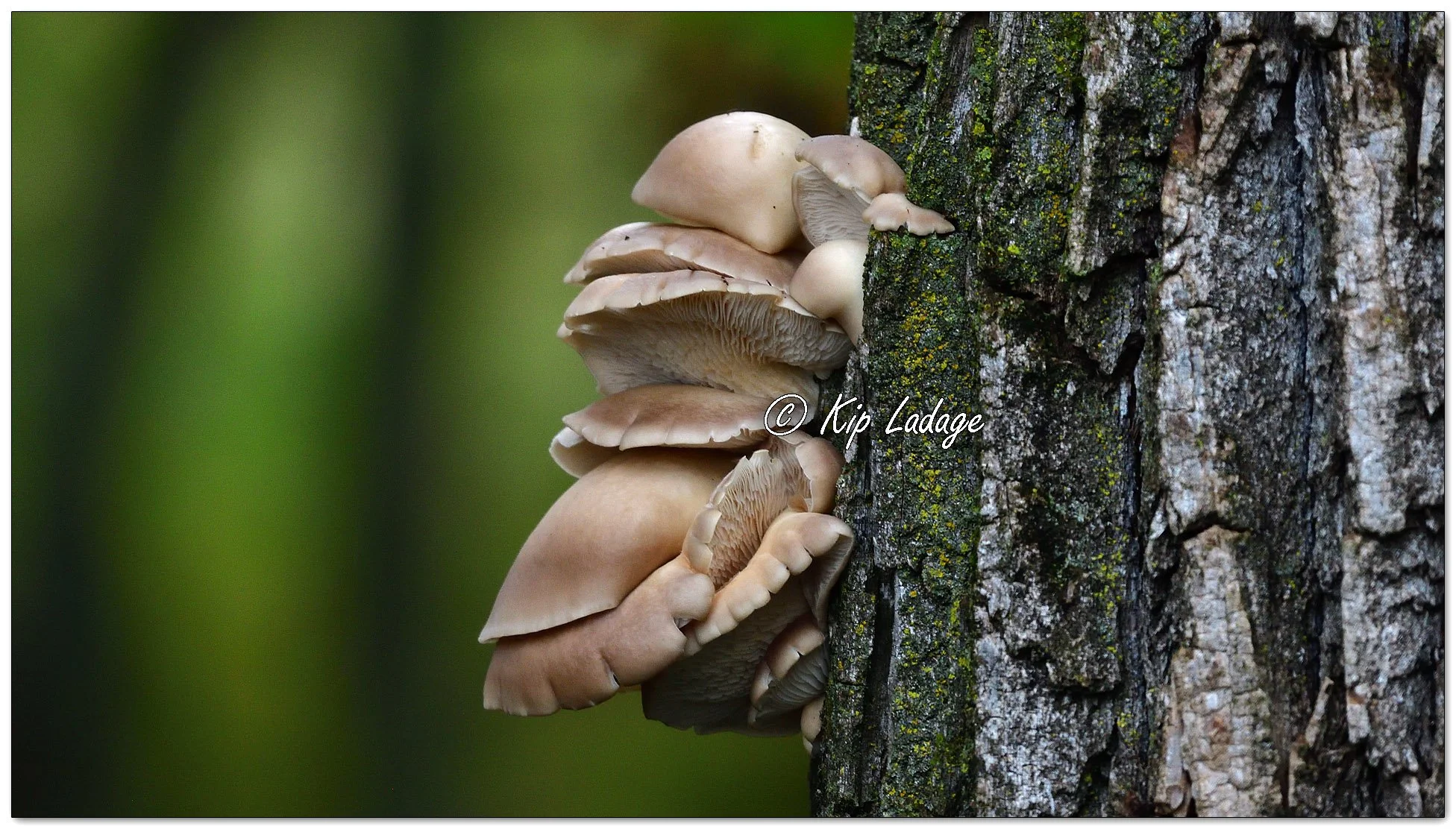
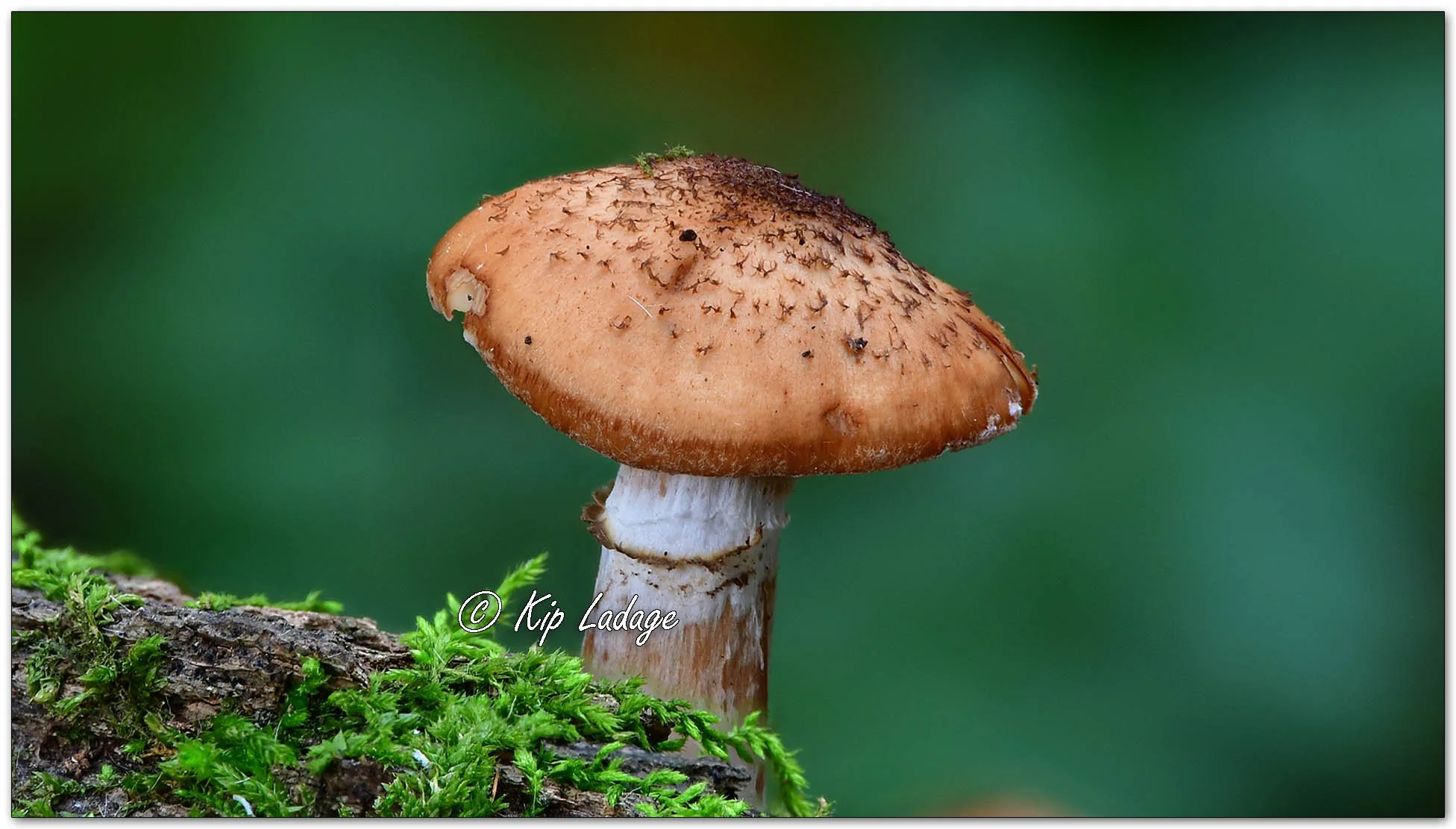
Images from a Fungi Walk -
Not much to add to the images. I went for a woodland walk looking for fungi and found some. Following is a sampling along with other images from the hike.
Kip’s Comments - October 13, 2026
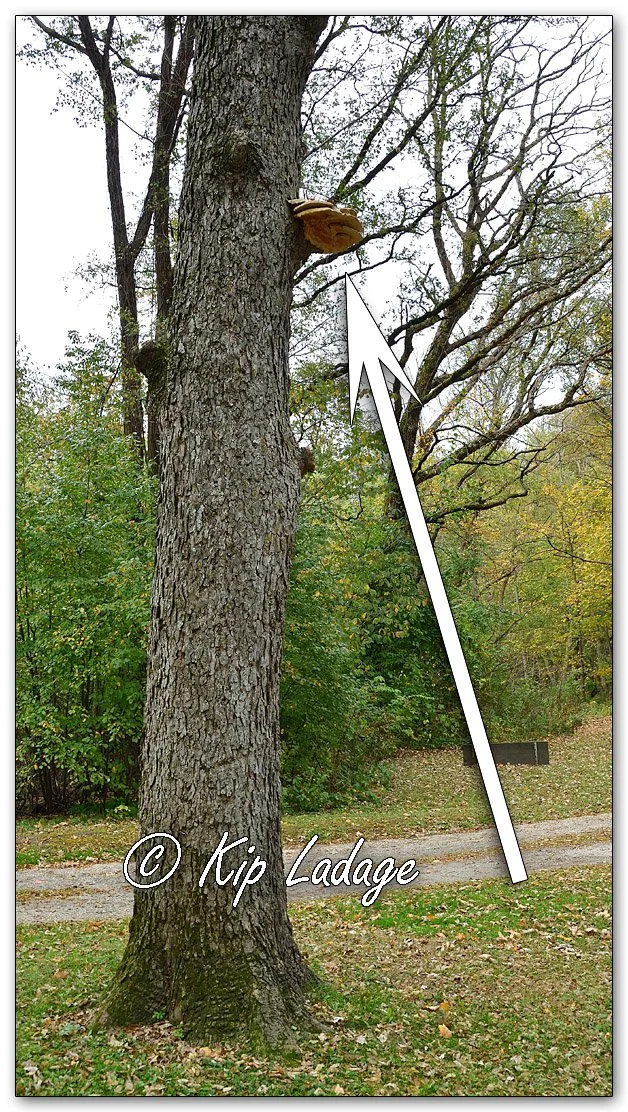
Using a Drone for Fungi Photography? Yes!
Unlike almost all of my previous fungi photography sessions, this time I did not have get down to ground level or almost that low for photos. No, today I resorted to…
Kip’s Comments - October 12, 2026
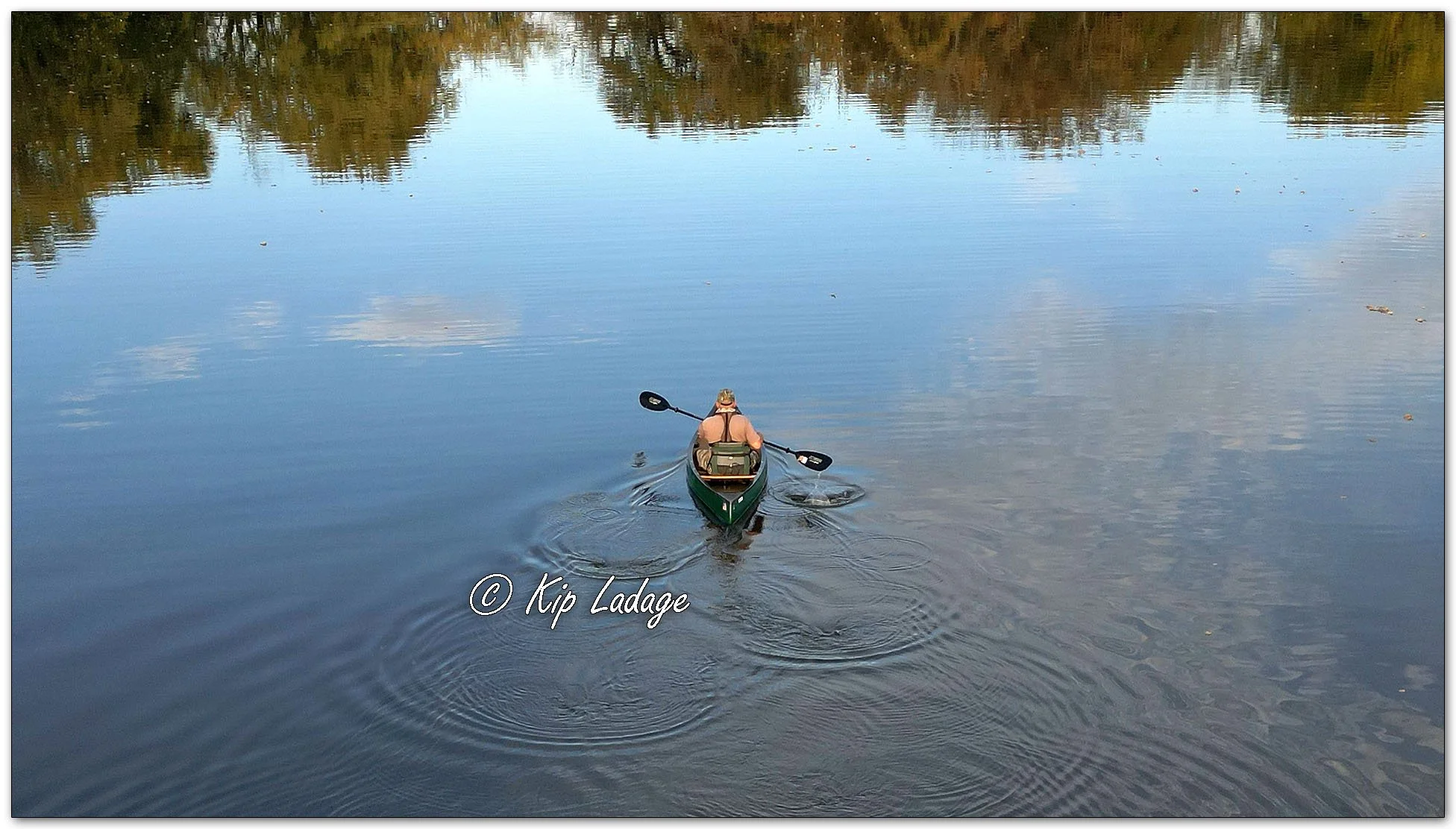
Nearly Catastrophic Imaging
What began as a creative, supposedly harmless photographic effort nearly turned into a disappointing and very expensive failed aerial imaging effort. My intentions were to hover my drone over the calm, early morning waters of the Wapsipinicon River as I paddled my canoe through the composition. All went well until, for whatever reason, my drone controller voiced “aircraft landing.” Since my drone was over water, landing…
Kip’s Comments - October 11, 2026
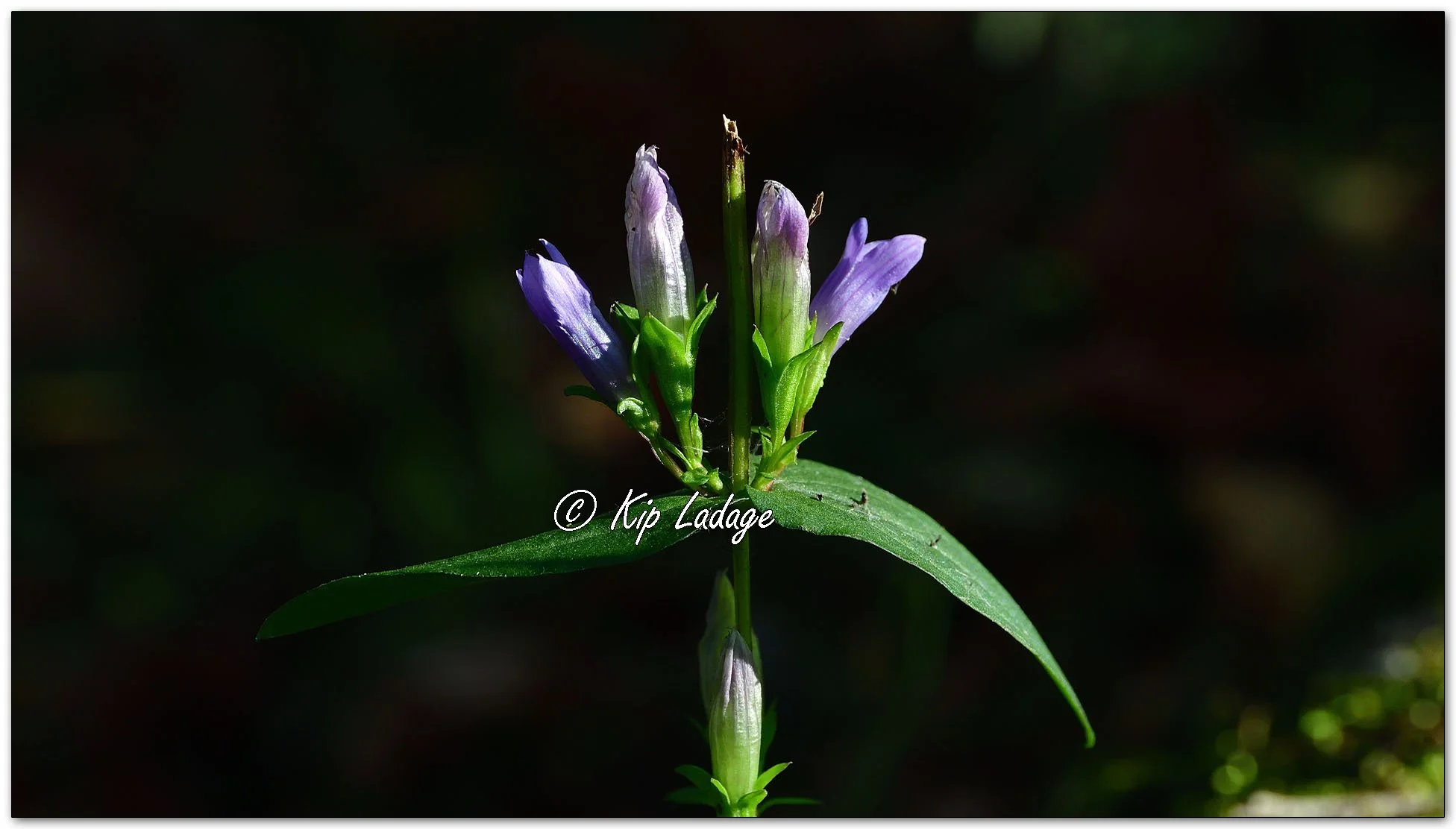
Fayette County Wildflower Find and More
Yesterday Kristy and I explored in Fayette County after attending a memorial dedication for a friend. Our hike was enjoyable - warm temps, enough breeze to keep most bugs away, and plenty of autumn colors. Much to my surprise I found four…
Kip’s Comments - October 10, 2026
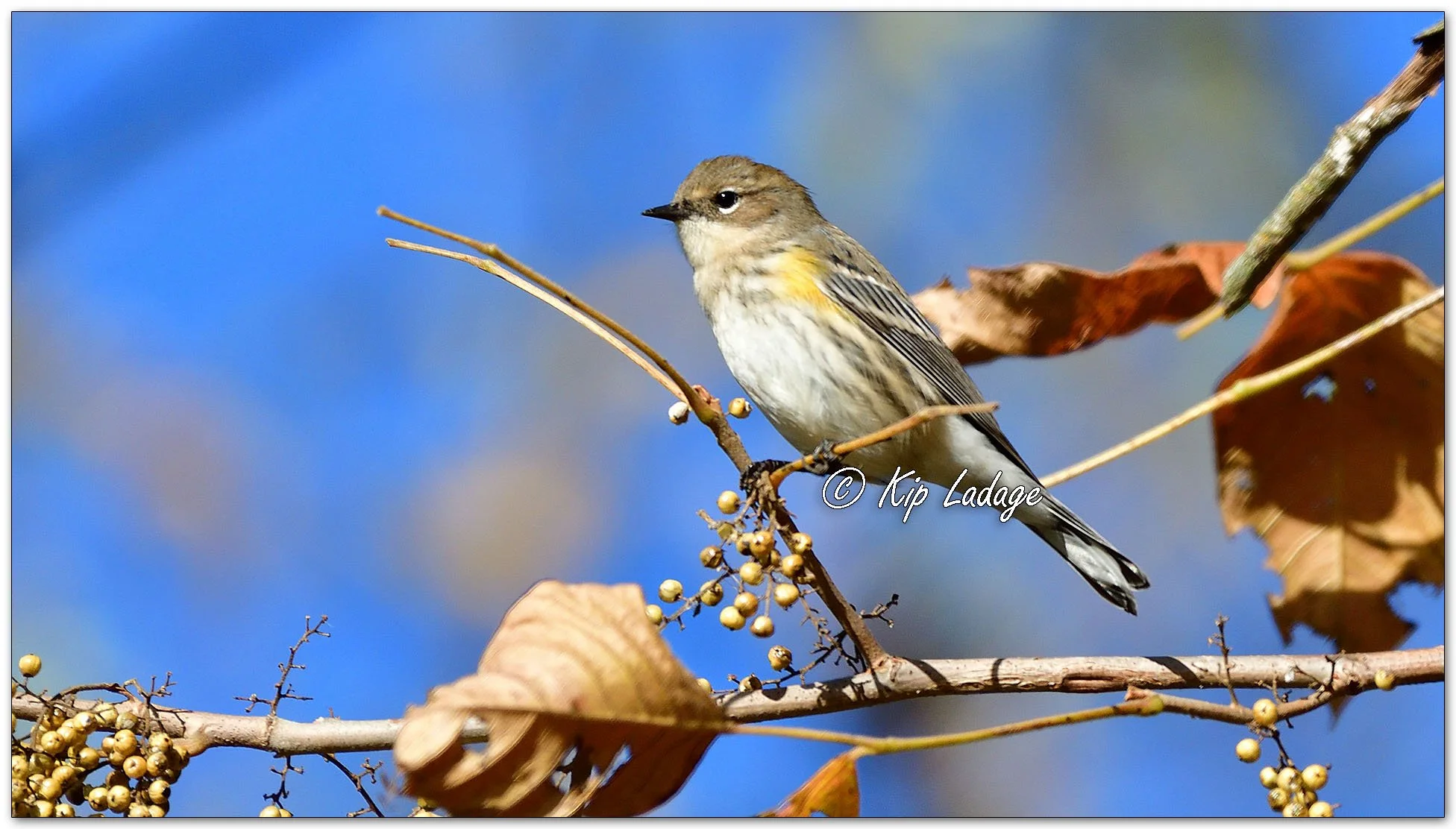
How Poison Ivy Suddenly Appears
In the event you might wonder how poison ivy suddenly appears where it may not have been before, I documented one propogator this morning. Actually, I saw…

Kip’s Comments - October 9, 2026
I Made A Cover (and more)
Hot off the press! The Bremer County 2027-2028 Fact Book published by Waverly Newspapers is now available. When you see your copy, be sure to check out the cover. Not only is the photo mine, but the photo features…
Kip’s Comments - October 8, 2026
(A Photography Discussion)
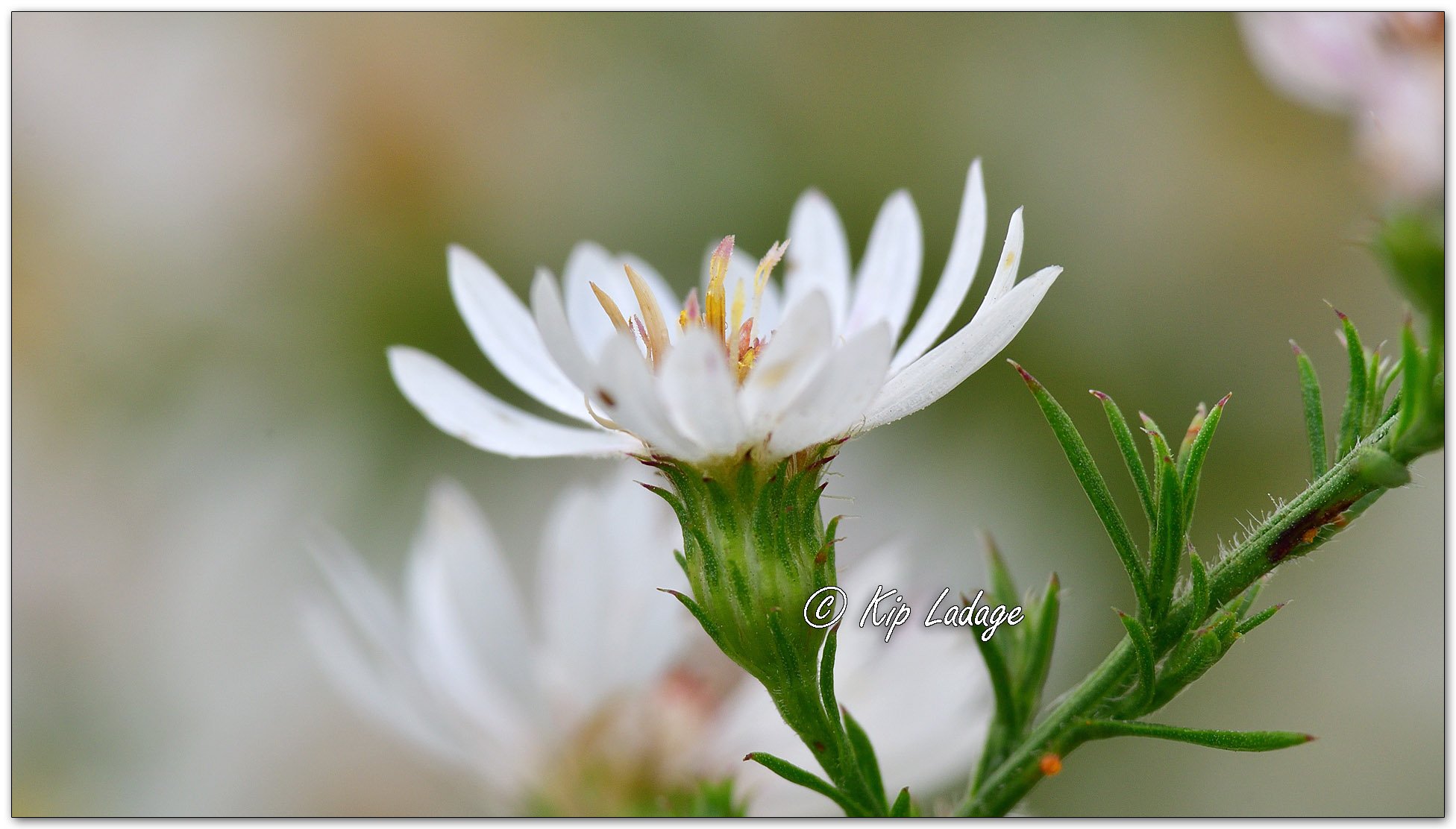
Finding Softness
Most of the time when I am shooting photos I strive for plenty of sharpness - sometimes from edge to edge in the frame. In fact, I will even stack images to assure extensive sharpness. High shutter speeds and tripods help with image sharpness.
On the opposite end of the sharpness range is…
Kip’s Comments - October 7, 2026
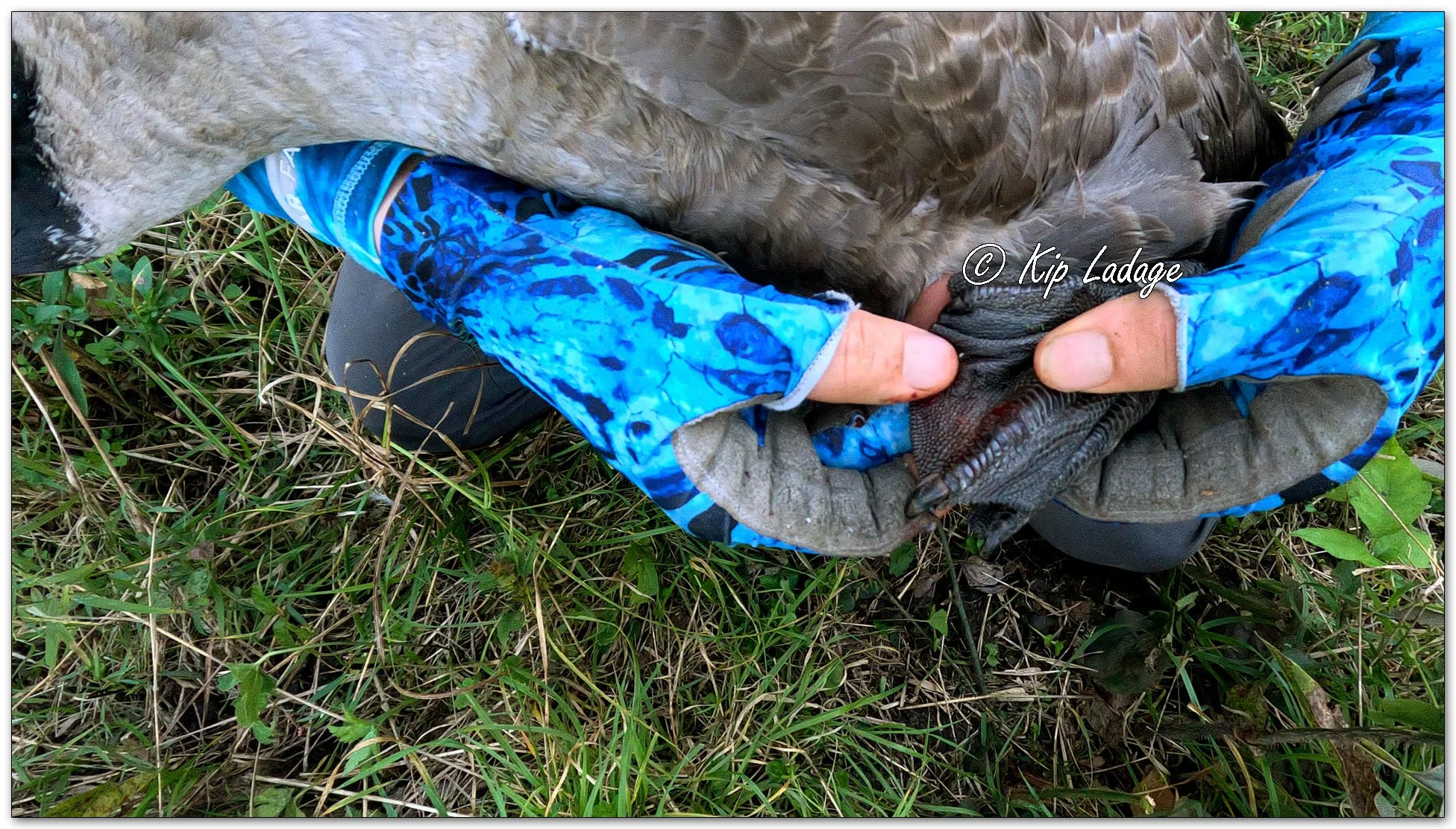
Excitement and Views at Big Woods Lake
Yesterday I was included in several social media discussions regarding a Canada goose with a fishing lure hooked to a foot. Eventually I was able to get to Big Woods Lake and worked with Jeremiah to find the goose and remove the the fishing lure.
Kip’s Comments - October 6, 2026
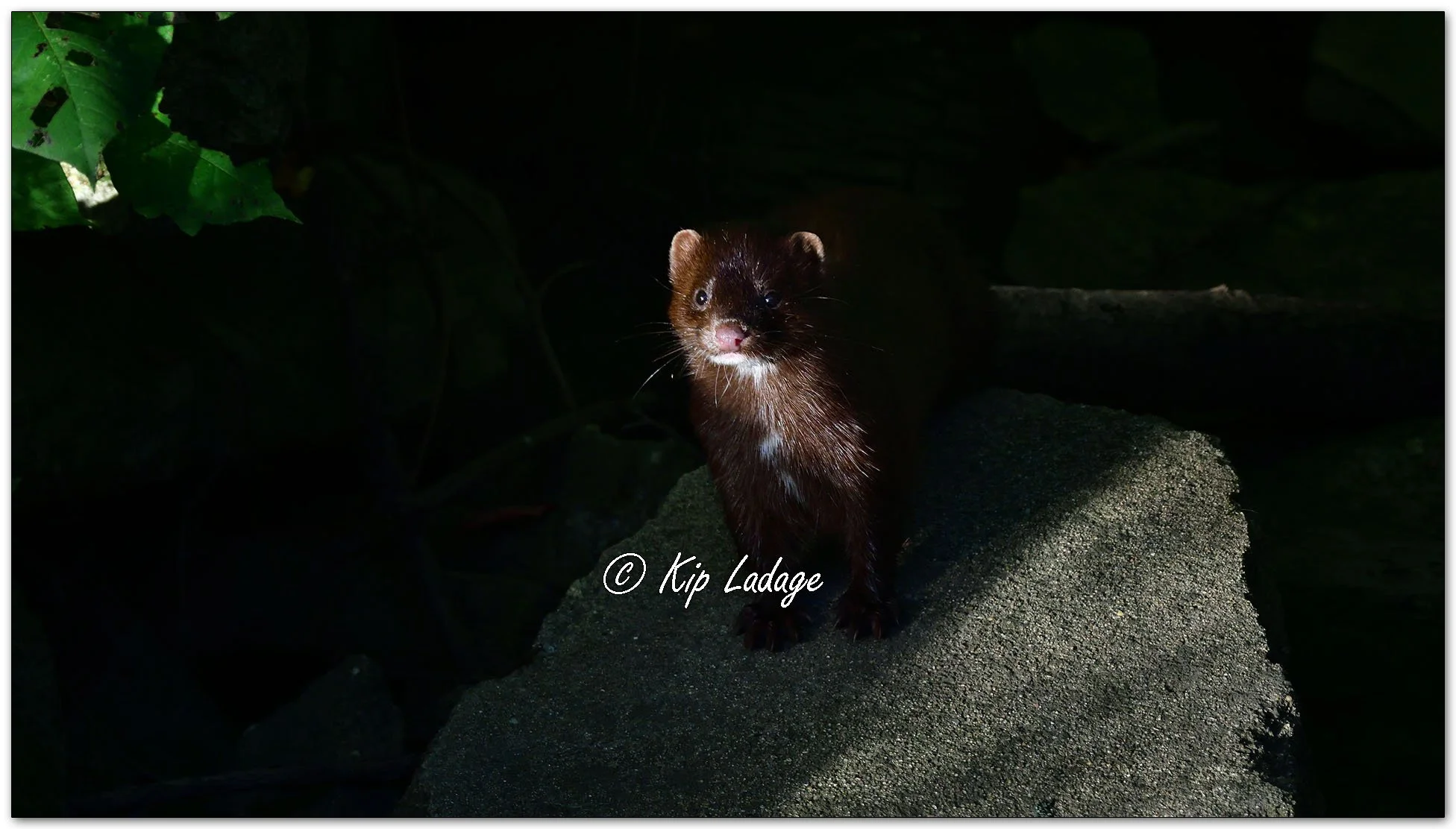
Just Feet Away
As I began my paddling on the river this morning I thought I would concentrate my photography efforts on documenting “glimpses of autumn.” I did my best to paddle very quietly within a few feet of the shoreline. Along my watery path I found some leaves changing colors, but no large views of…
Kip’s Comments - October 5, 2026
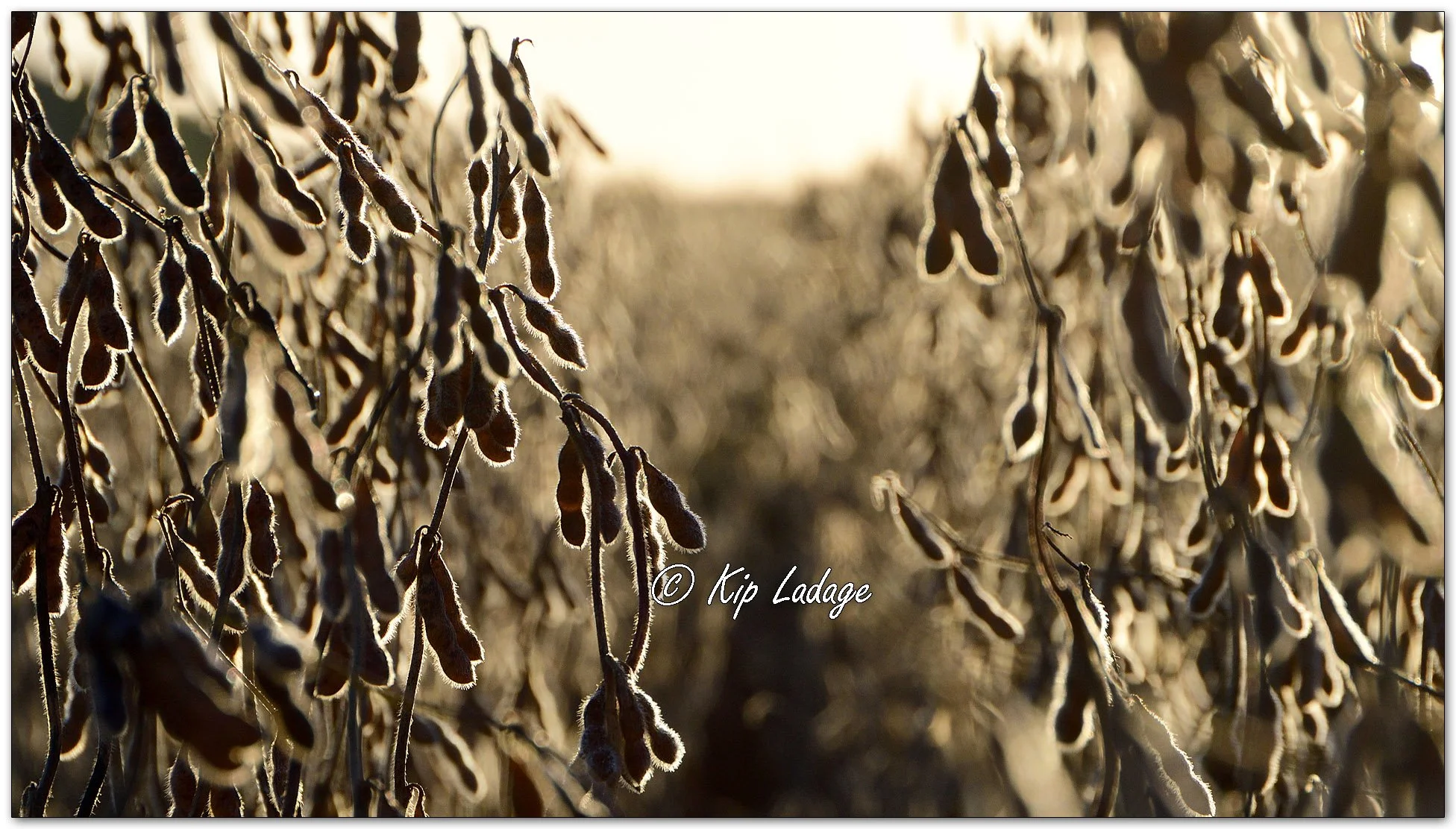
Angles of Light
While walking this morning the various angles of light from a rising sun were apparent. Looking toward the sun provided a pleasing silhouette of….
Kip’s Comments - October 4, 2026
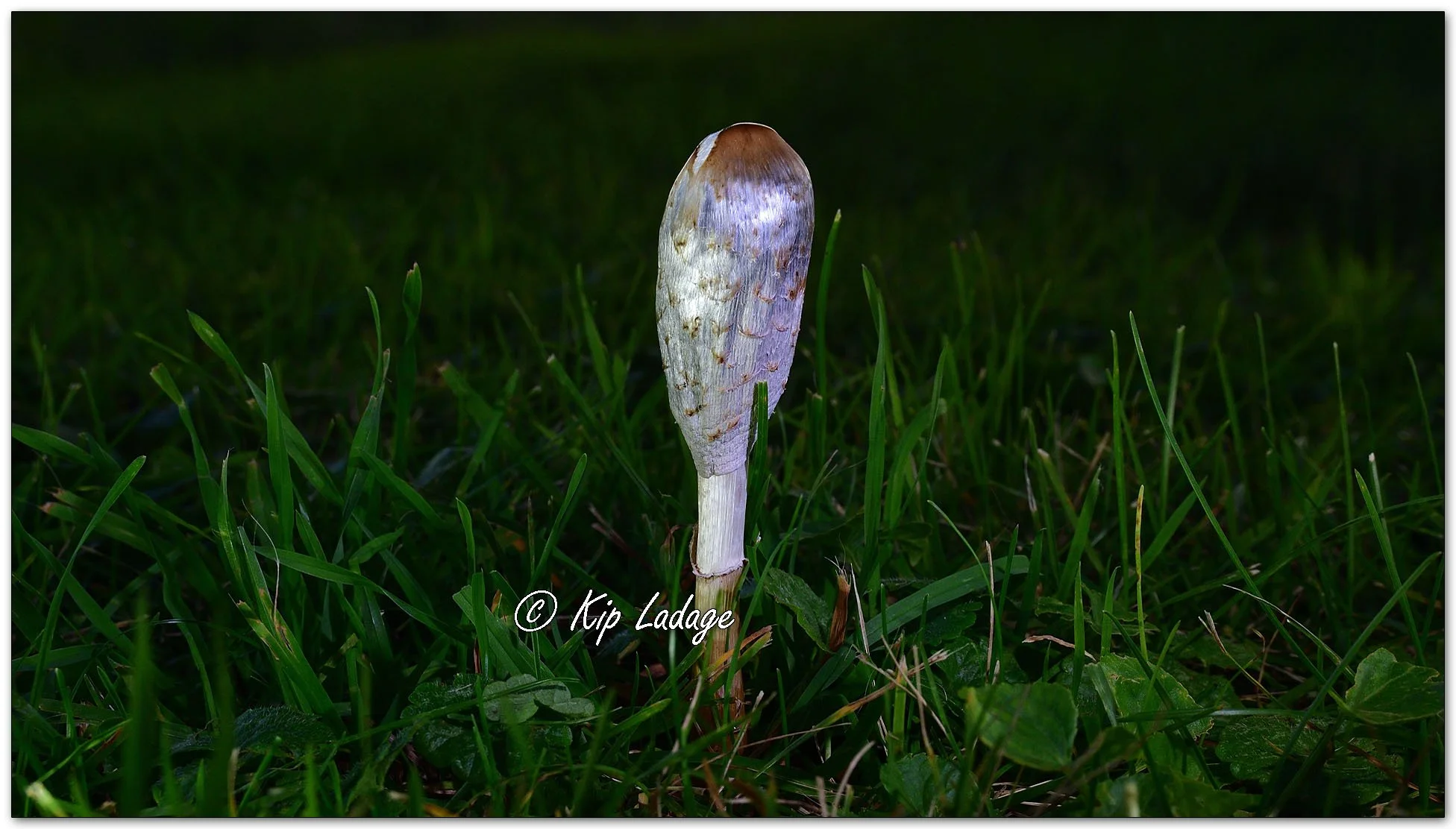
24-Hours From Emerging to Liquification
So far this fall I have found several shaggy mane (Ink cap) fungi. On first discovery I did not know the fungus lasts only about ….
Kip’s Comments - October 3, 2026
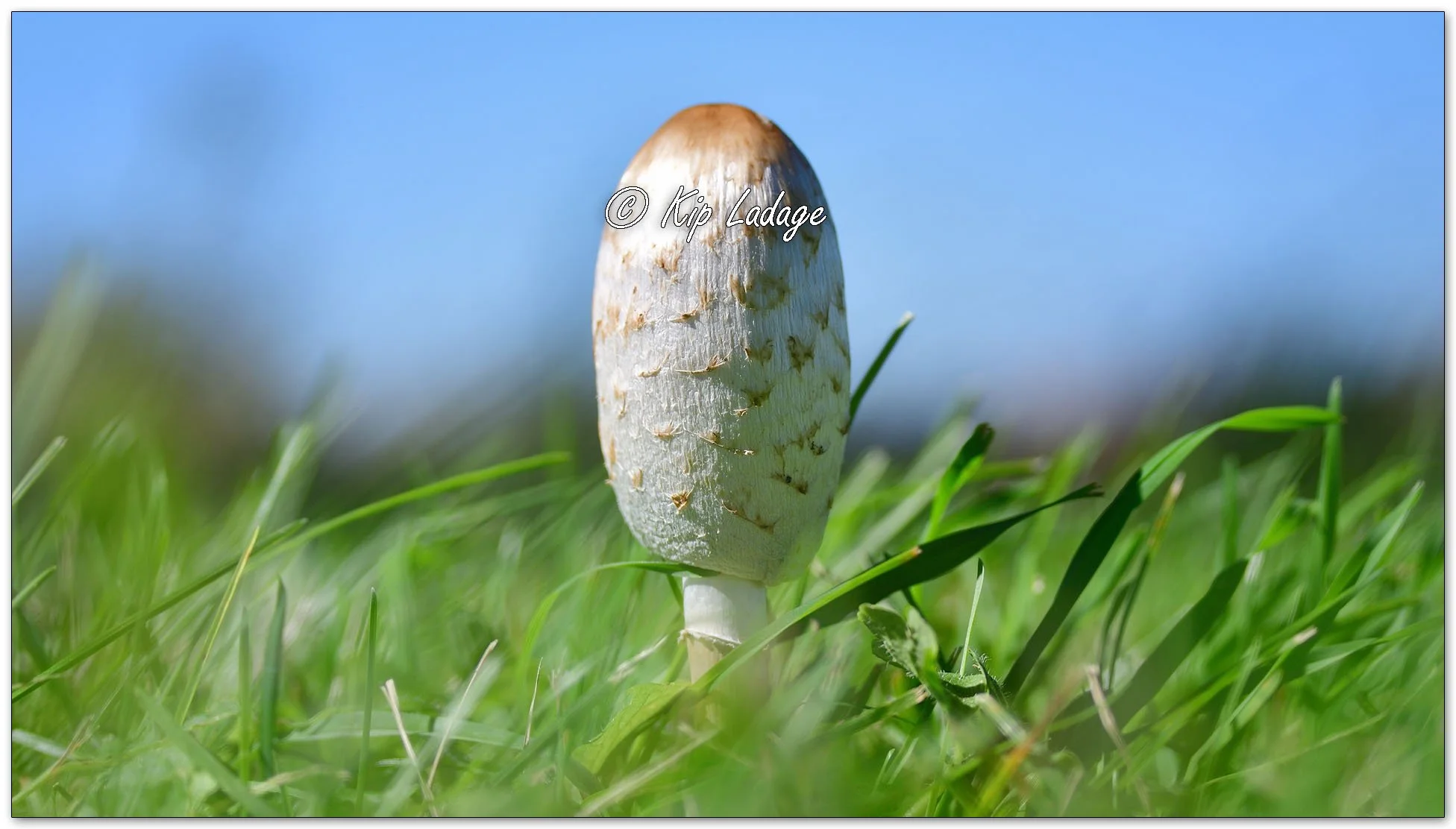
45-years Ago
Forty-five years ago this morning I went squirrel hunting on a chilly, damp October morning. I don’t remember how many I came home with, if any. Later that day, sometime in the afternoon, I got married.
Forty-five years later (today) I spent part of the day target shooting with an air rifle as I shot flies off a pizza box. Tonight my bride and I will…
Kip’s Comments - October 2, 2026
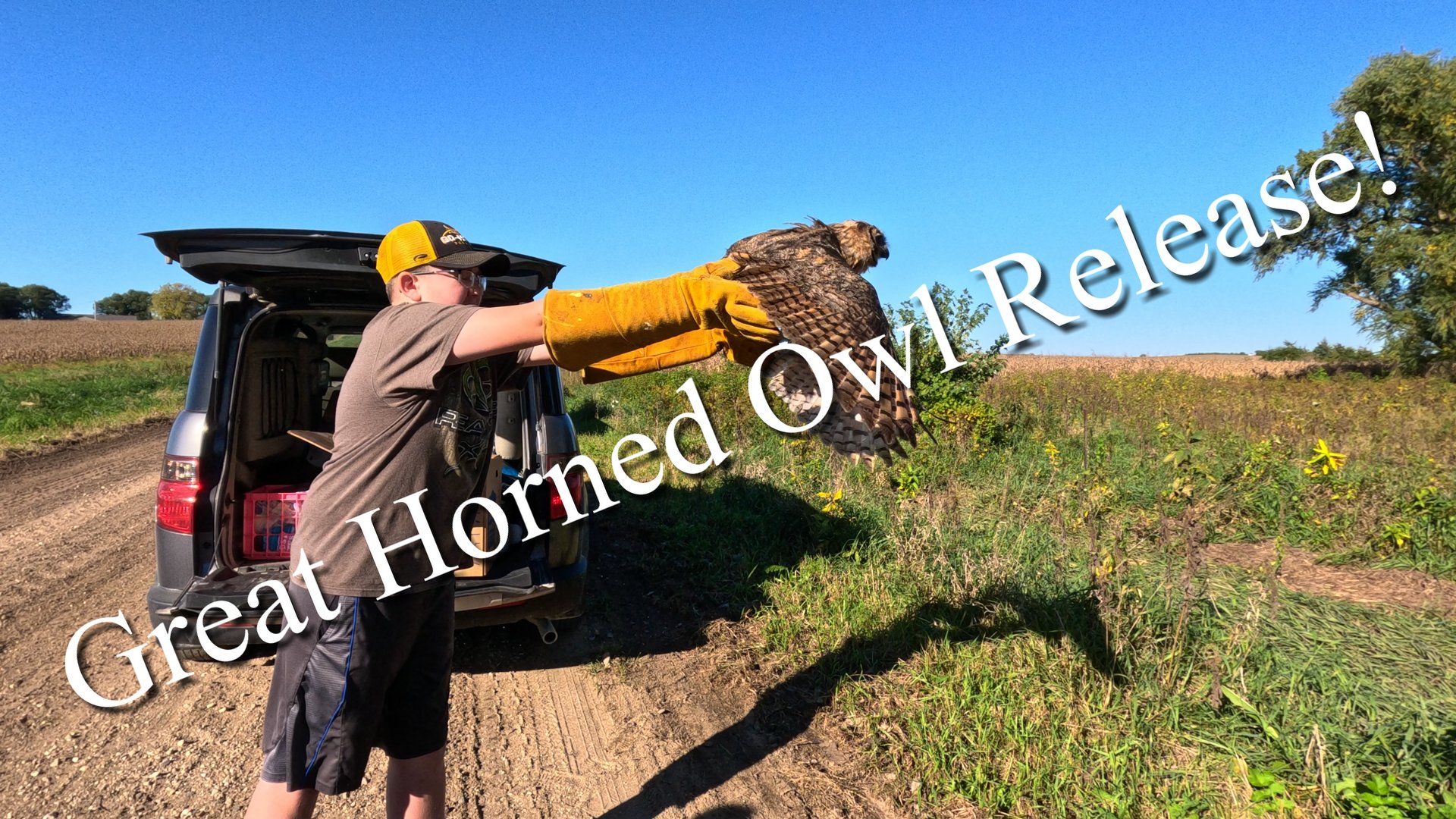
Great Horned Owl Release!
It is time for some good news. Today we released a great horned owl we rescued in early October. The owl had an injury that needed time to heal. Today the bird was ready to fly free again.
Releases do not always happen. Today was a good day!
Kip’s Comments - October 1, 2026
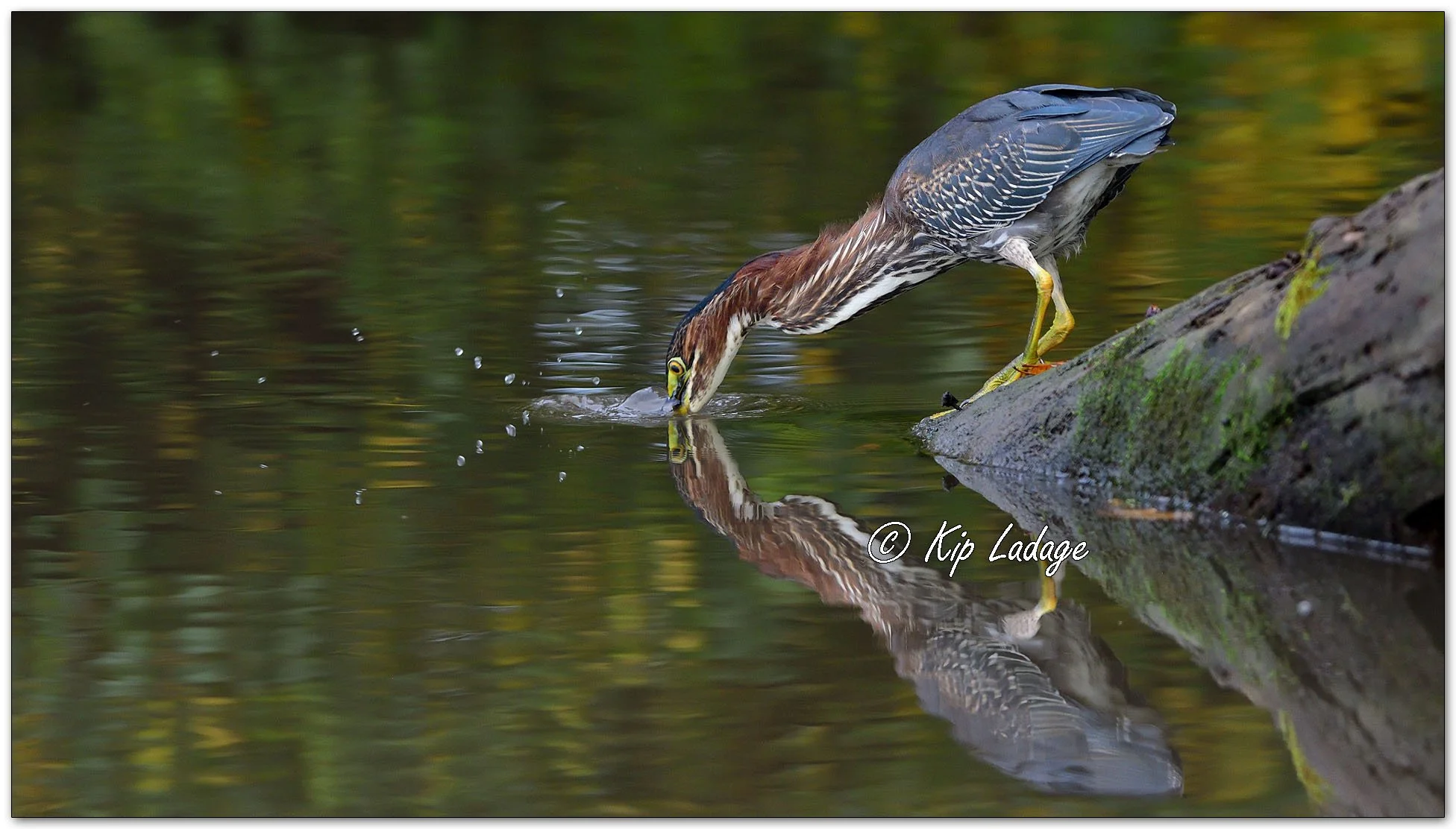
Feathers and Fungi
After the last bout with rain that is quickly causing the rivers and streams to rise, I thought I better get out for my October paddle before I couldn’t. (I have paddled every month of the year for years.) I wasn’t expecting to see much but was fortunate to find…
Kip’s Comments - September 30, 2026
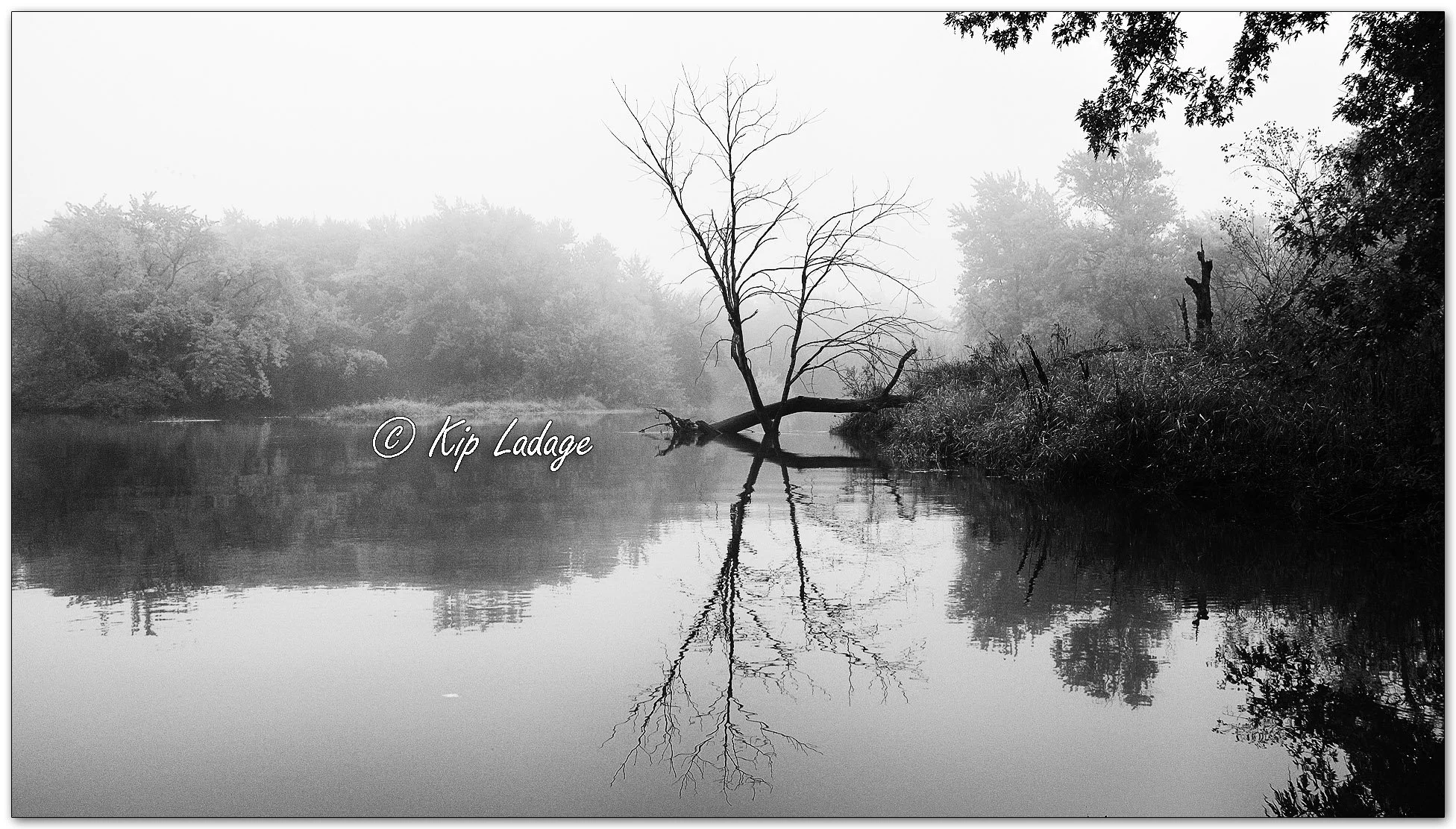
Fog Shrouds… Fog Reveals
From a big picture view, fog shrouds. At closer range, fog and moisture reveal what we don’t always see.
Kip’s Comments - September 29, 2026
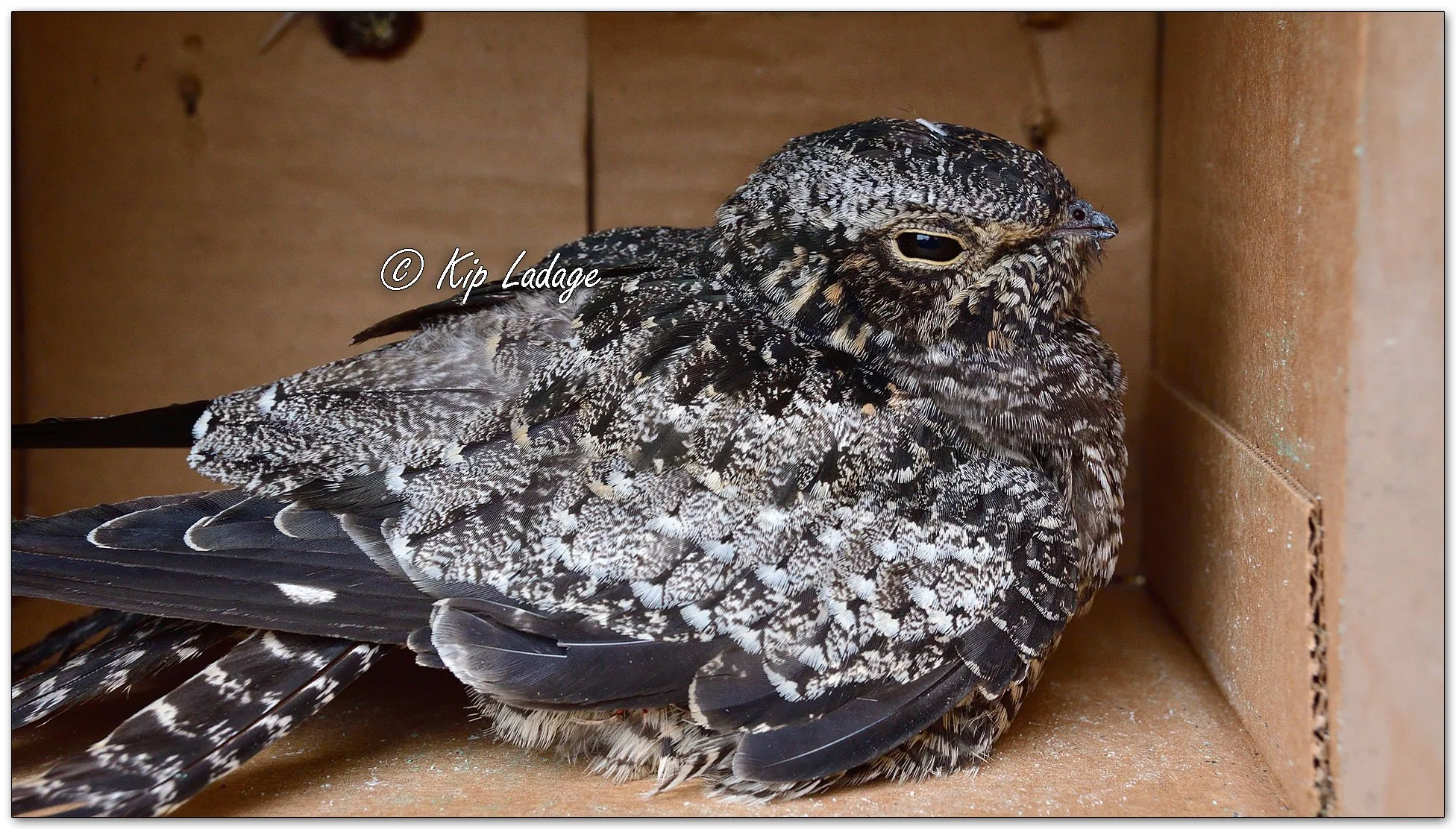
Seldom Seen Oddities - Be Sure to See the Last One!
Each day I attempt to make at least one acceptable image to share. Photo themes may vary from outdoor activities to wildlife or even a pretty night sky. Today I am going to feature seldom seen oddities of our natural world.
I will begin with pictures of…
Kip’s Comments - September 28, 2026
Rescue and Observing
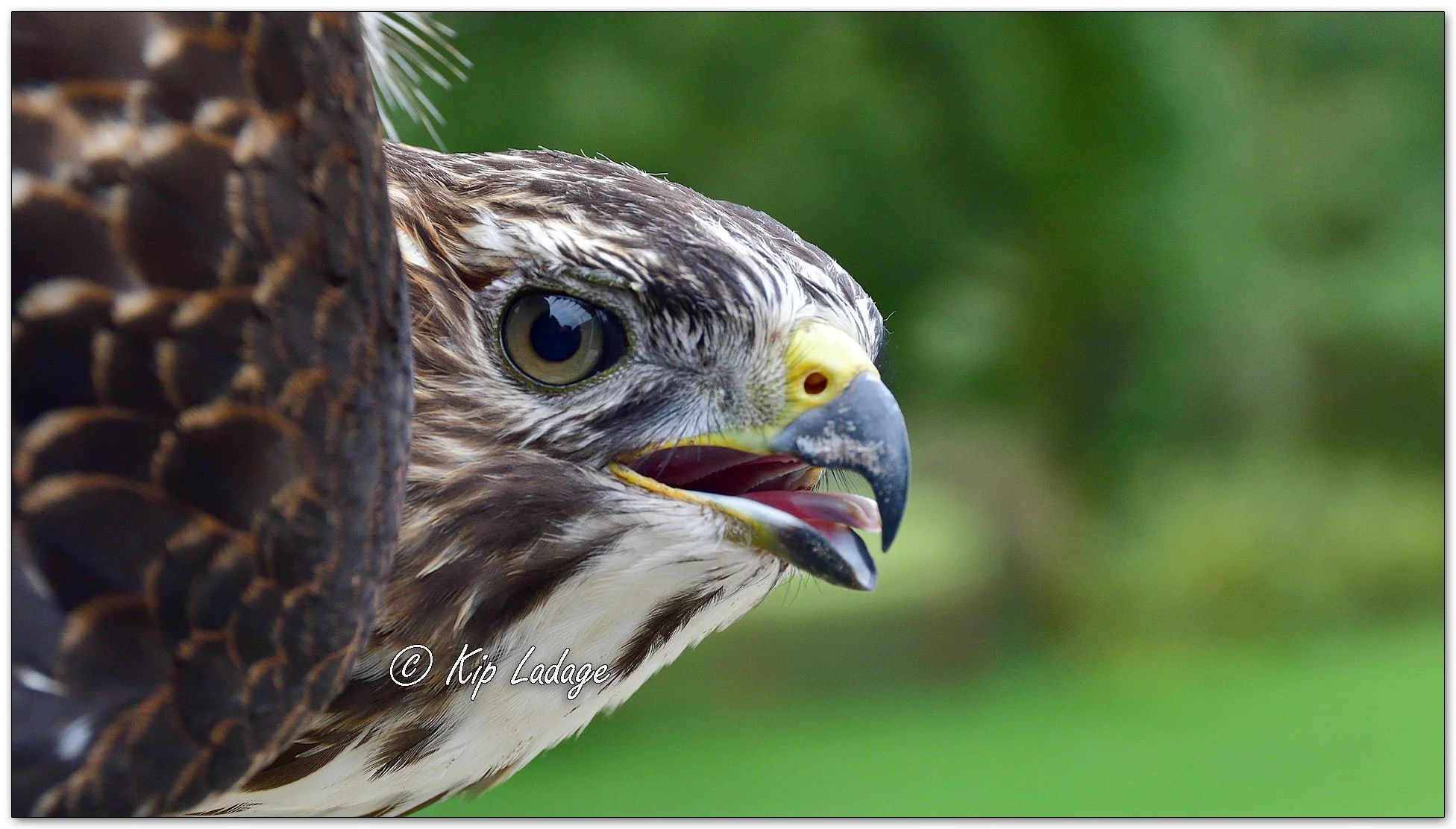
Last night after assisting at a car accident I then went to pick up a hawk that had been on the ground. This morning I delivered the bird to a rehabber (Terese with Black Hawk Wildlife Rehabilitation Project). Before moving the hawk to a care cage I…
Kip’s Comments - September 27, 2026
Rain Drop Accents and Rain-made Fungi
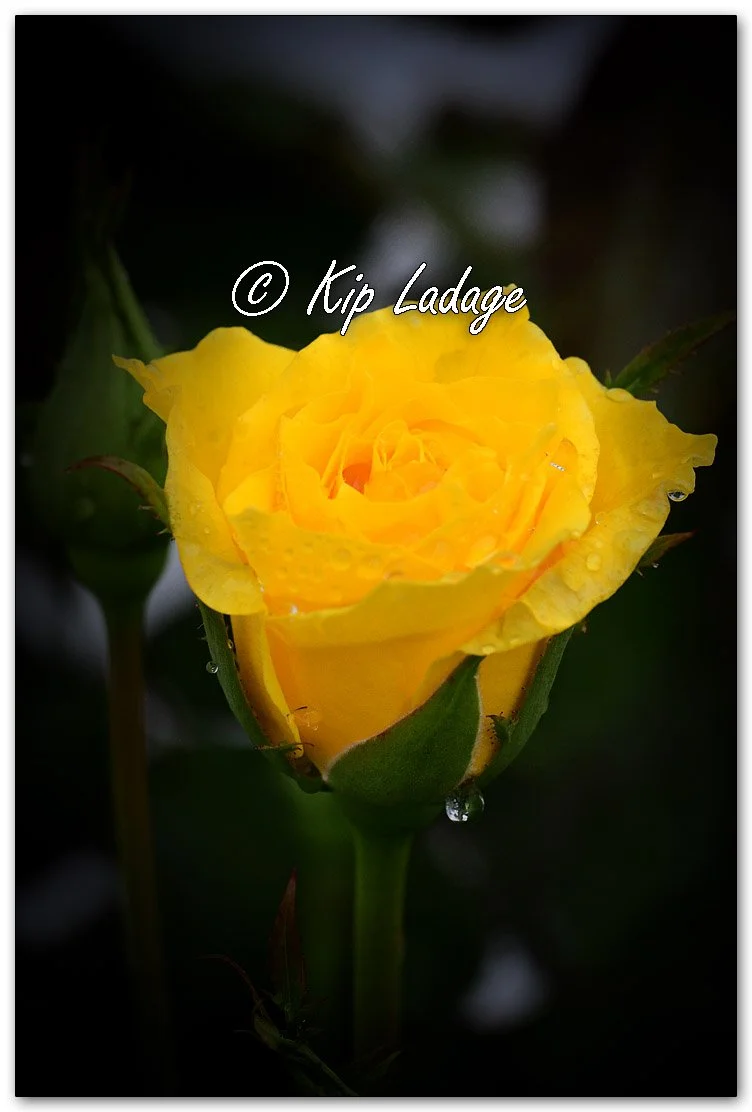
Since Mother Nature decided we need yet another day of moisture, I decided to go with the flow by taking advantage of a rain-enhanced landscape.
First I shot photos where raindrops made the ordinary a bit more interesting.
Then, since everything outside is wet, I went on a fungi hunt in search of nice looking specimens. I found some.
Kip’s Comments - September 26, 2026
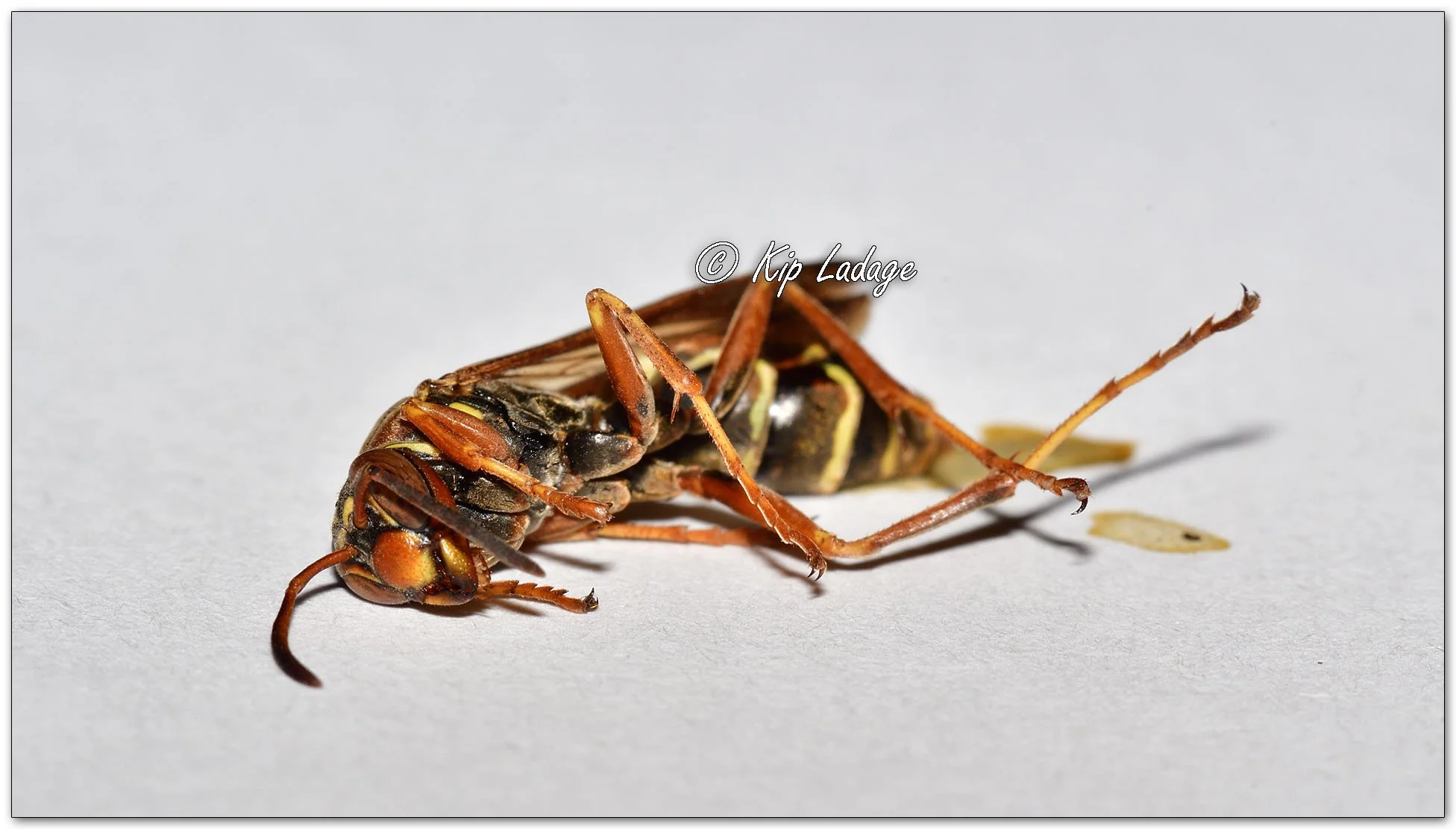
Hazards of Macro Photography
This week I added another piece of macro photography equipment to my collection. Even though I expected the gear to work just fine, I still tested it…