Kip’s Comments - September 29, 2026
Seldom Seen Oddities - Be Sure to See the Last One!
Each day I attempt to make at least one acceptable image to share. Photo themes may vary from outdoor activities to wildlife or even a pretty night sky. Today I am going to feature seldom seen oddities of our natural world.
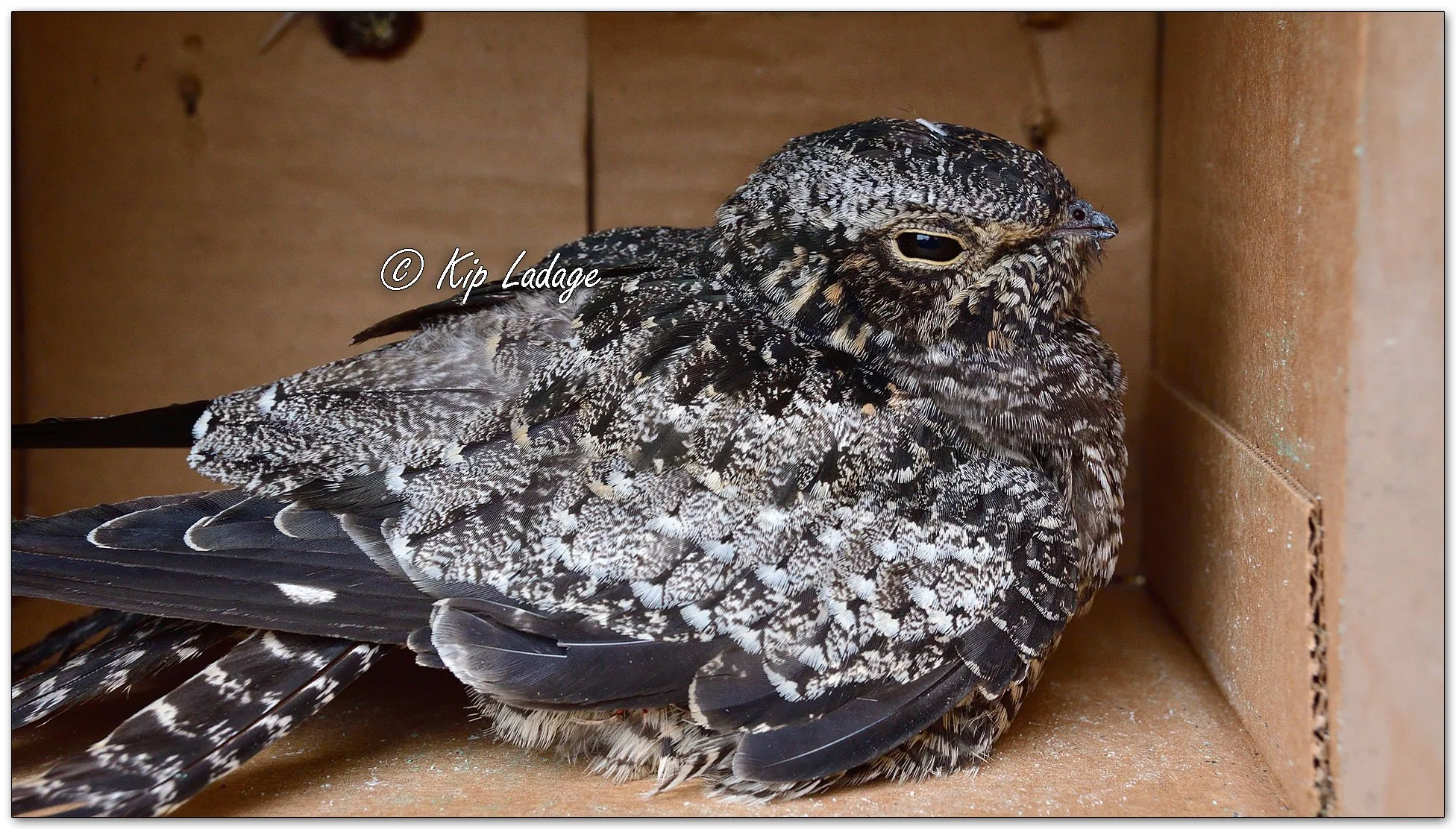
Injured Common Nighthawk - Image 1156025
I will begin with pictures of an injured common nighthawk. Just seeing a nighthawk this close is interesting and not often done. What I noticed that I found odd was the oversized nostril this nighthawk is sporting.
Unless you have studied nighthawks, you might be surprised to learn that nighthawks feed by catching insects in flight. While they have small beaks, their mouths are quite large and used to catch flying insects.
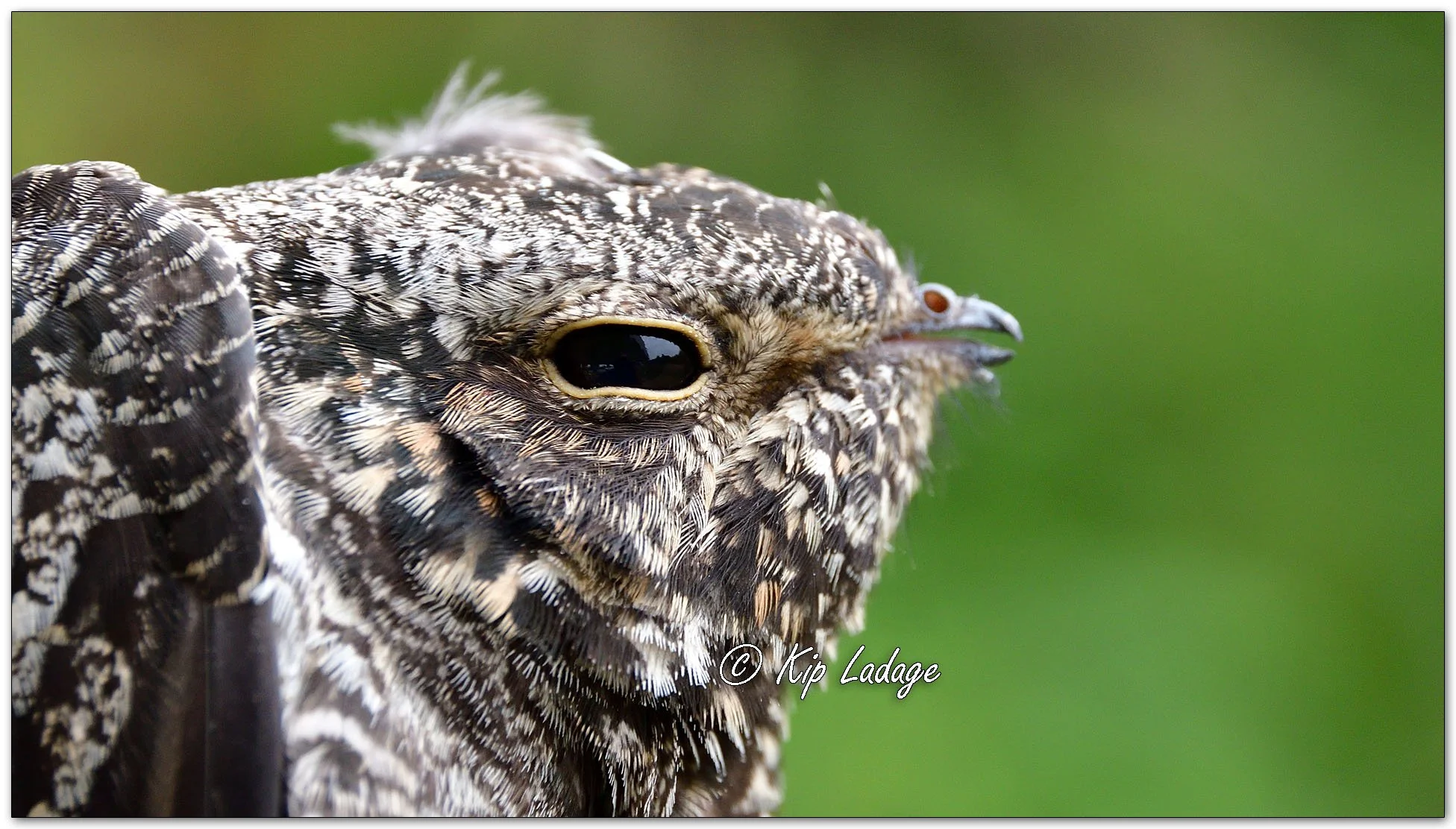
Injured Common Nighthawk - Image 1155865 (notice the size of that nostril!)
Sadly, this nighthawk was examined by a rehabber and found to have a severely broken right wing and was euthanized.
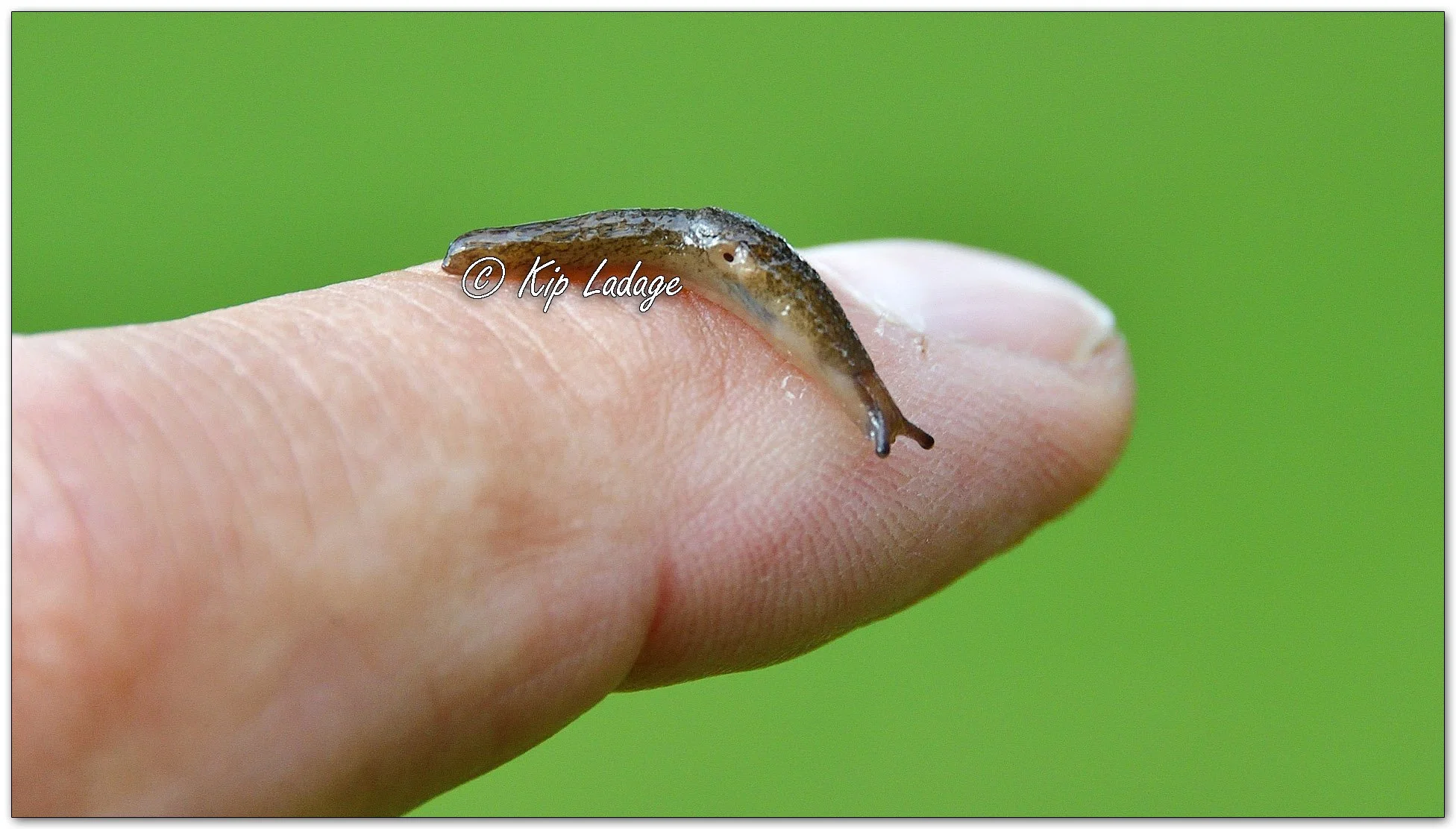
Slug on Finger - Image 1155792
Next we will discuss a slug that dropped into my canoe from an overhanging tree as I was exploring the Wapsipinicon River this morning. Slugs breathe primarily through a hole on the right side of their body. Through that hole slugs take air into their body cavity where the exchange is made. Some information suggests slugs may also breathe through their moist skin.
Now for the surprise oddity I found today.
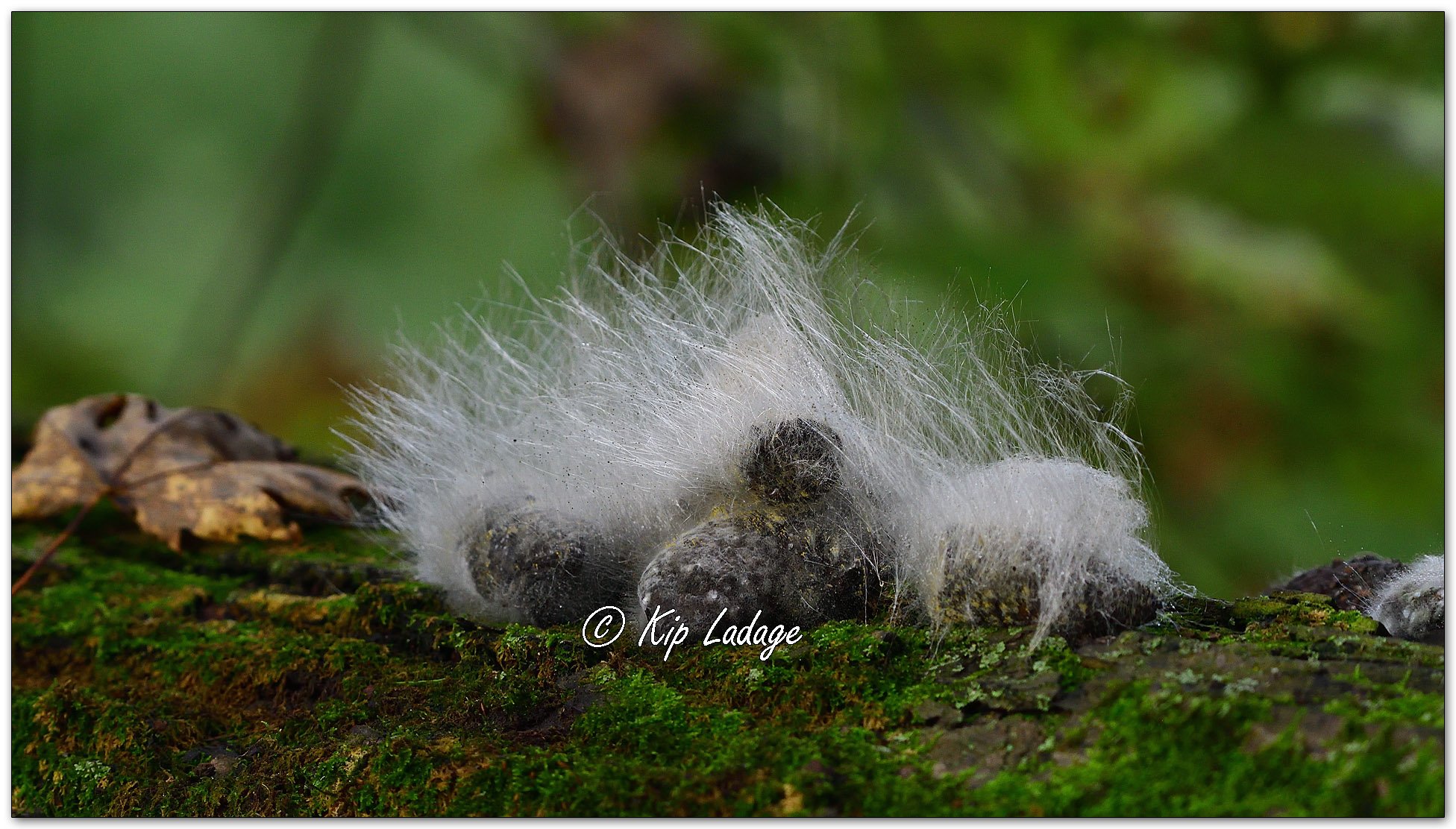
Phycomyces blakesleeanus (Hairy Poop Mold) - Image 1156654
As I was paddling I noticed what appeared from a distance to be clumps of deer hair on a tree hanging over the river. The observation made me curious - what happened, why here, and what else should I learn? After paddling close to the hair patches I realized I was looking at “hair” growing out of raccoon scat (poop). Just searching the Internet for info on what I was seeing was interesting. What does a person search on? Eventually I learned that I had found many samples of Phycomyces blakesleeanus. Since that is the scientific name, it might be easier to refer to this using the common name: Hairy Poop Mold.
From what I have found, this mold requires very specific conditions to thrive like I found it. And, the “hairs” can grow many inches tall and do not grow into solid objects.
Let's think about "hairy poop mold" for a minute. Not all animal poop hosts hairy poop mold. Might that indicate that hairy poop mold spores are floating through the air we are breathing, waiting to find ideal poop to thrive? Oh, and this tree probably had a dozen or more clumps of hairy poop mold scattered over 10-15 feet. What does this mean?
If you are interested in odd things, look up this mold to learn more about it.
In the event any of you win cash or valuable prizes on Jeopardy! from info learned on this page, please remember me generously!