Kip’s Comments - December 7, 2025
Hard Water Limits Social Distancing
Winter of 2025 has been unlike recent winters when open water was prevalent until the end of December or early January. Our cold temperatures have quickly produced ice in most locations, including in areas of moving water. As a result, waterfowl have much less real estate to claim and are forced to gather in tight quarters.
After last year’s avian influenza outbreak I notice bird spacing and think about how quickly a virus could spread. Knowing avian influenza has been documented in the state concerns me. I wonder if it will hit locally again. If it does appear here, we have far less open water than last year and the impacts may be dramatic. Note: I am not aware of any avian influenza in our area at this time.
As I studied Canada geese grouped together I noticed two duck species were present - mallards and a lone wood duck. Of course the drake wood duck garnered most of my attention. See the pics here!
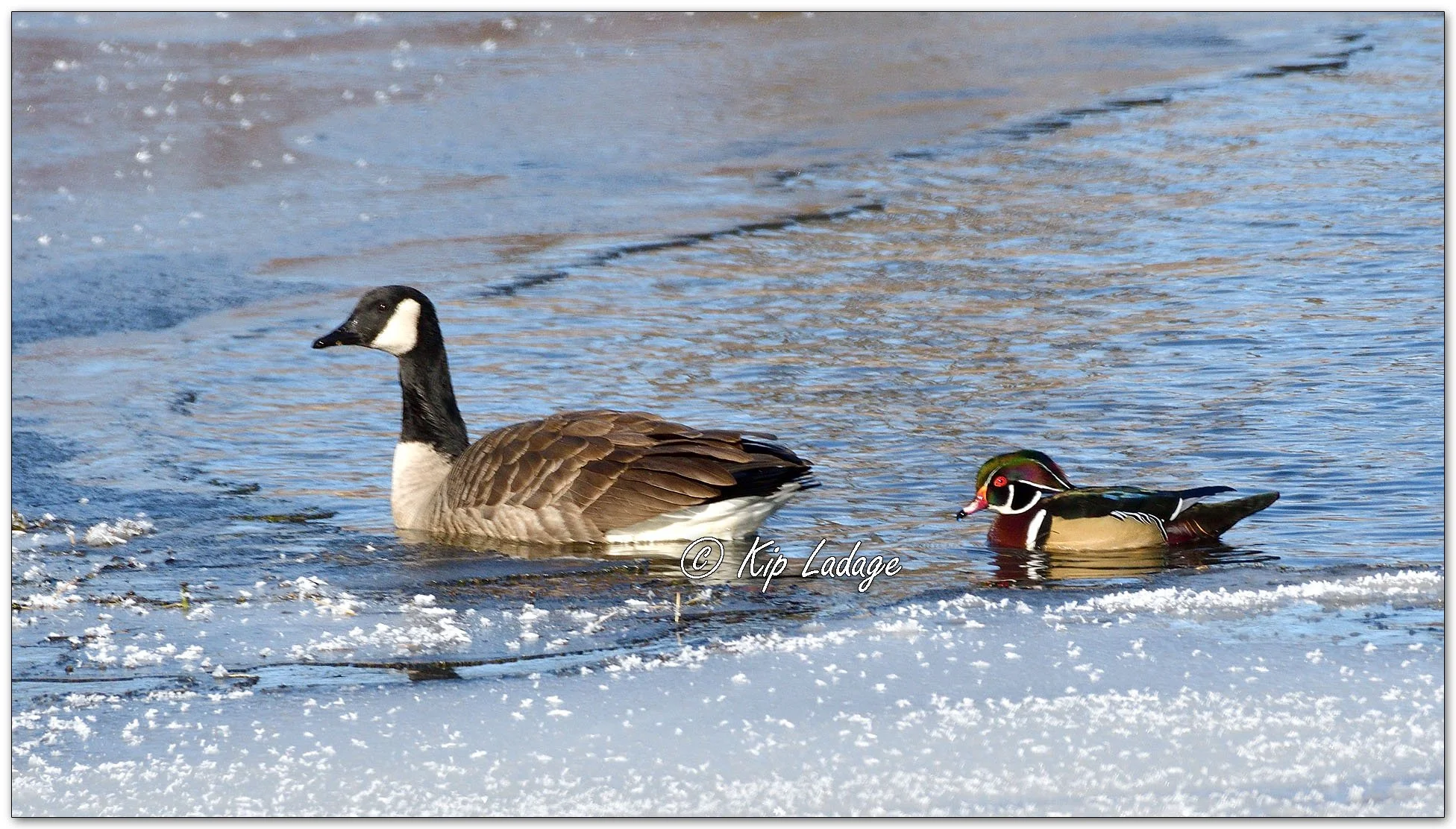
Wood Duck in Winter - Image 1048350
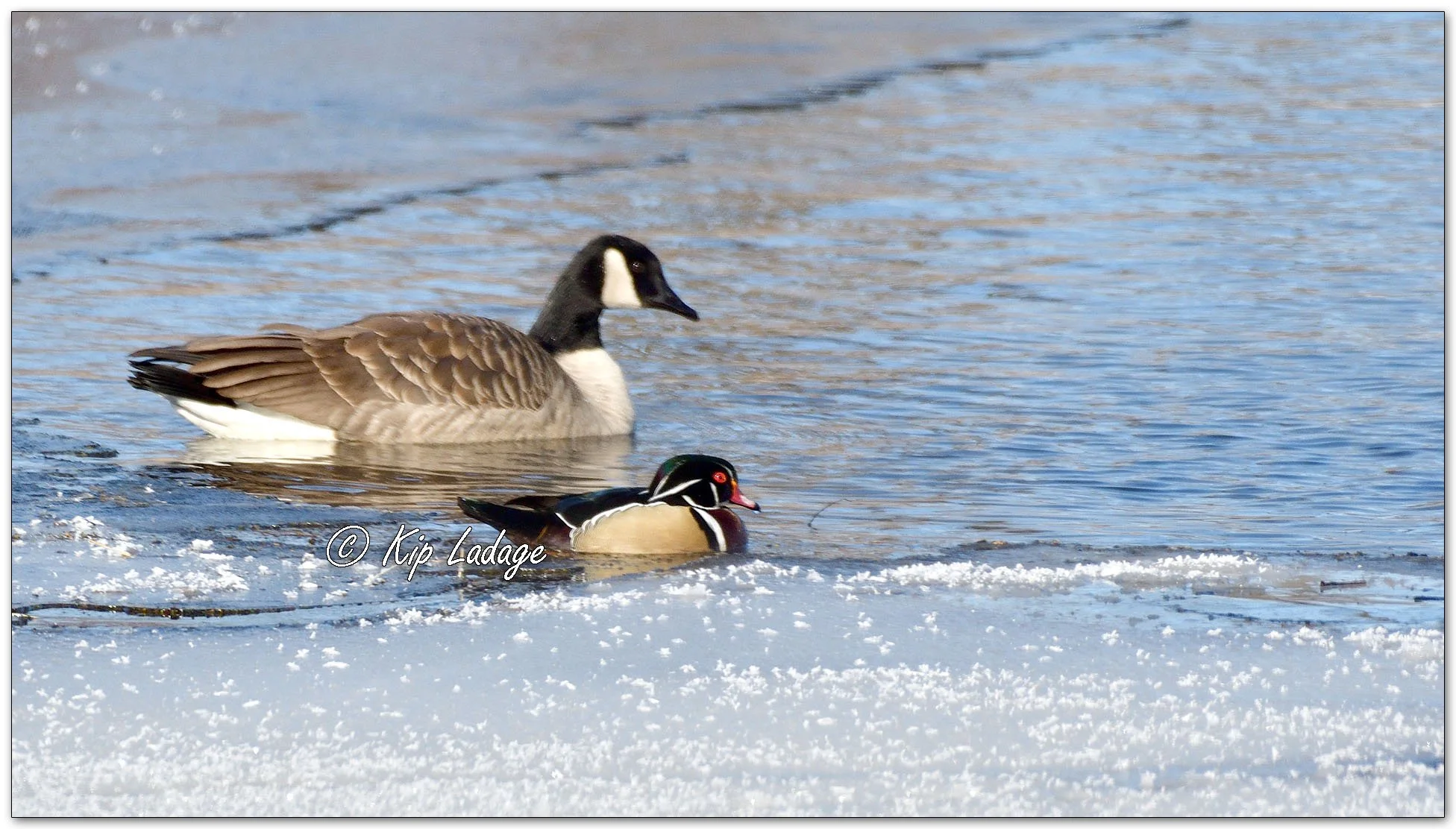
Wood Duck in Winter - Image 1048368
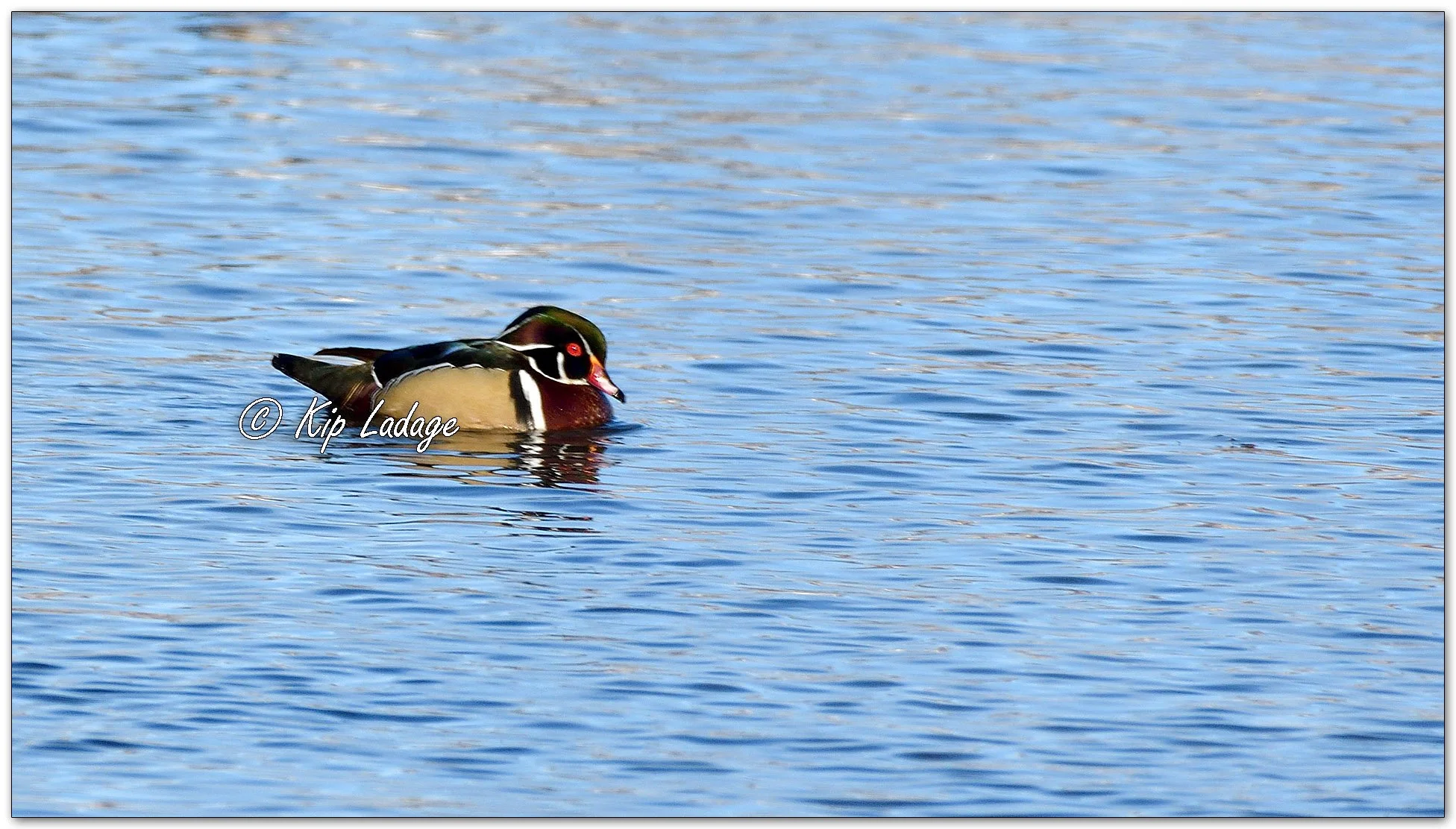
Wood Duck in Winter - Image 1048420
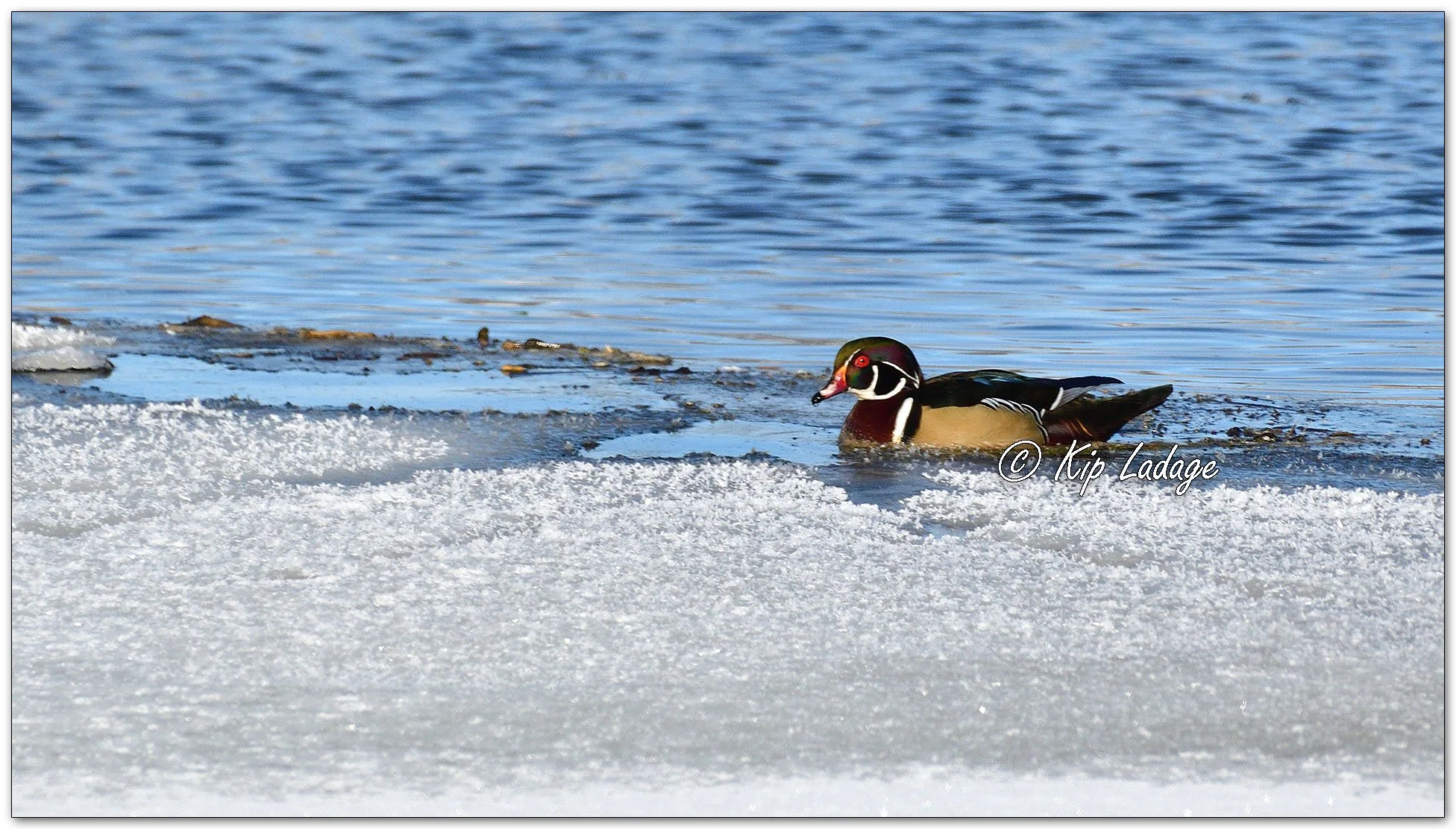
Wood Duck in Winter - Image 1048490
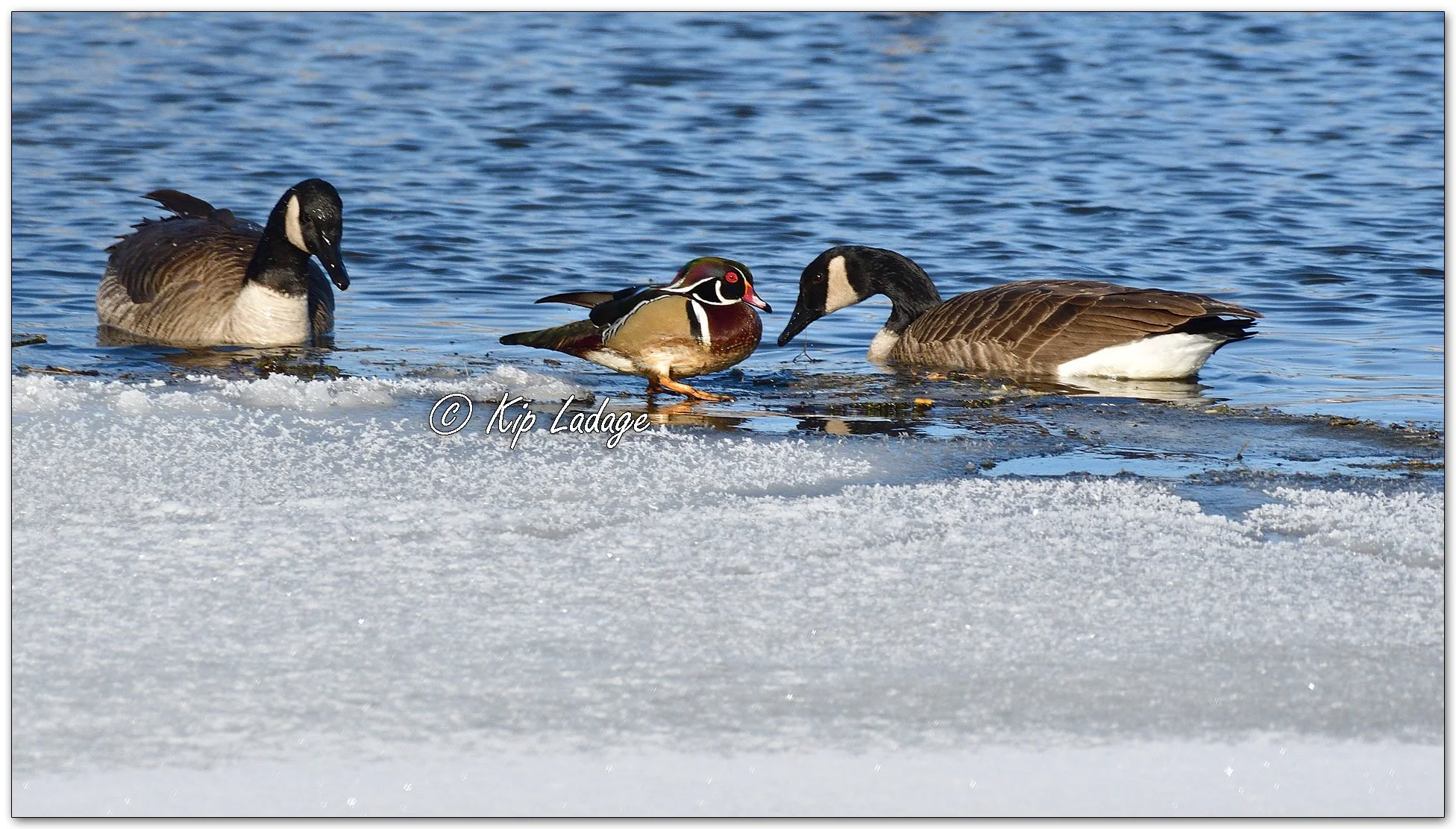
Wood Duck in Winter - Image 1048522
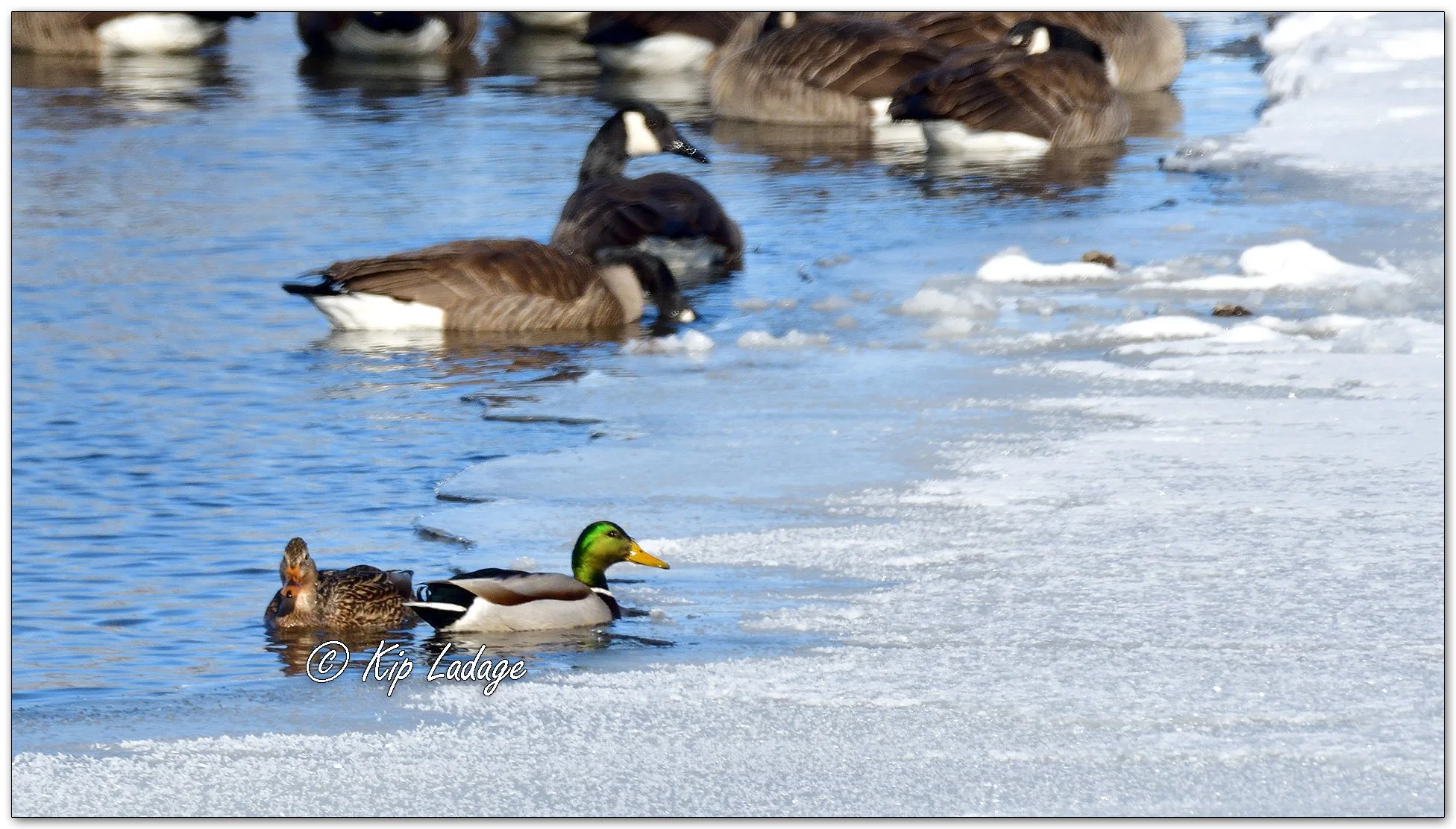
Mallards in Winter - Image 1048335
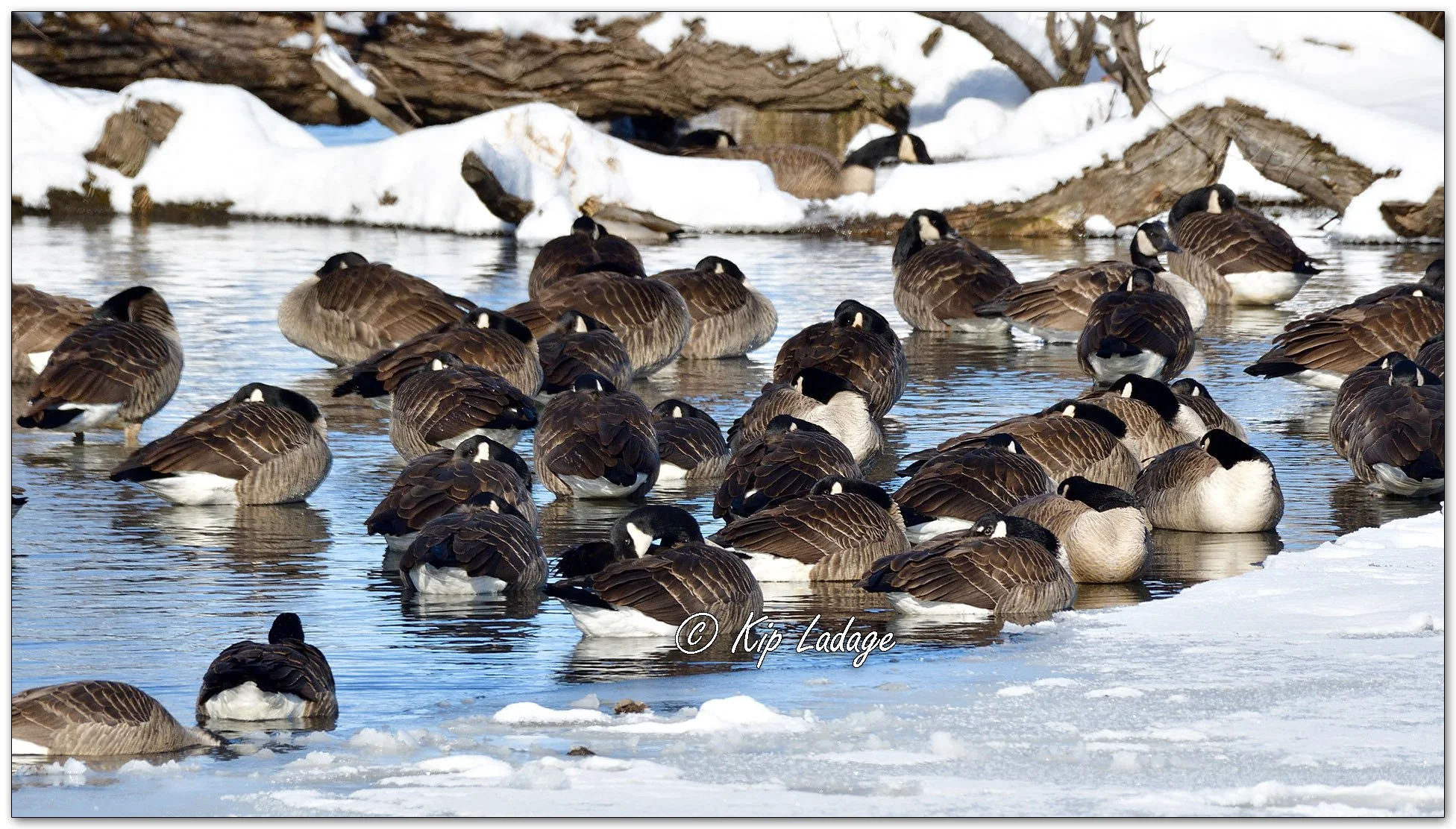
Canada Geese in Winter - Image 1048323
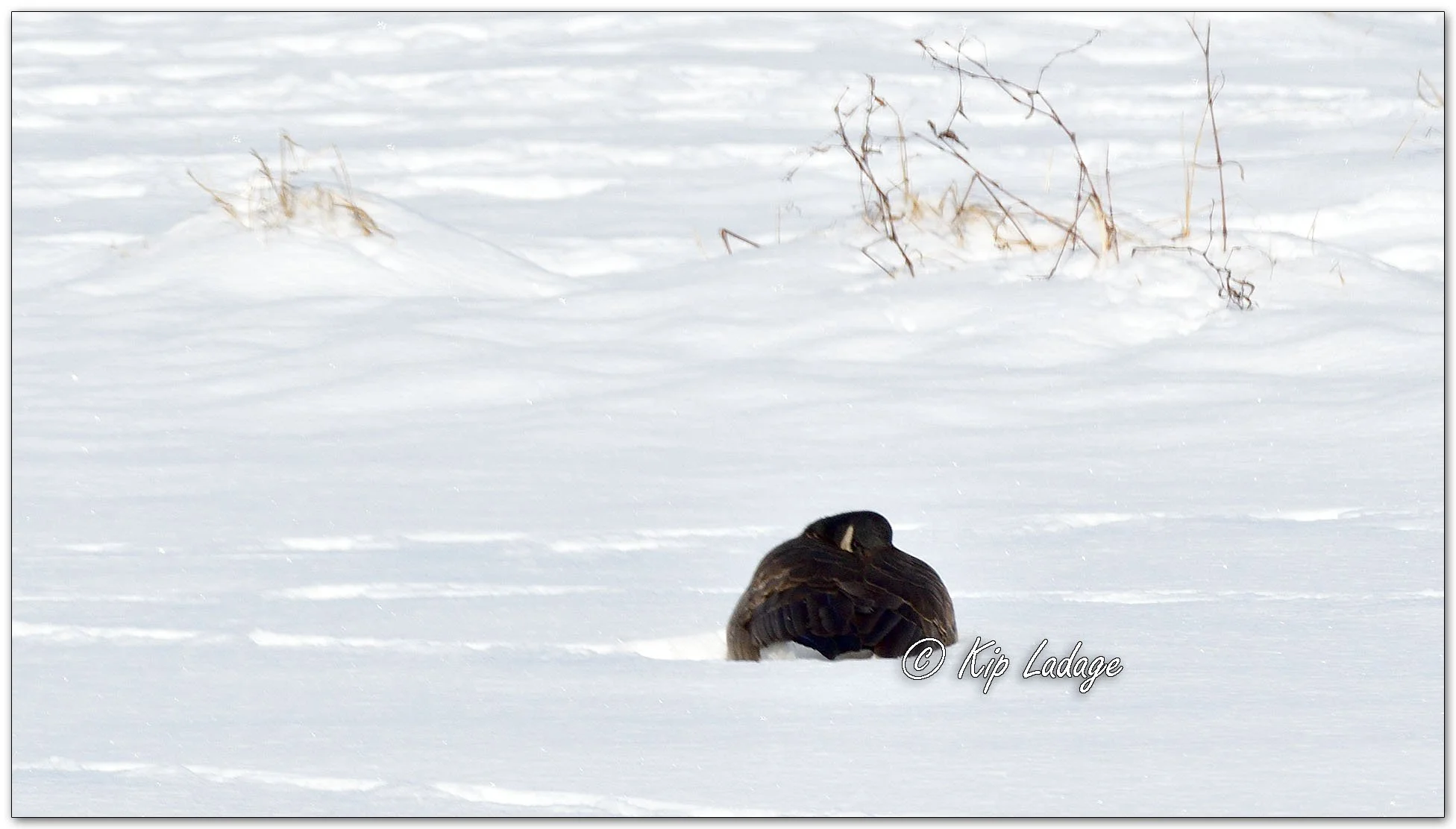
Canada Goose in Snow - Image 1048331
The congregation of waterfowl brought an adult bald eagle into the area to watch for an opportunity for a meal. I saw no action from the eagle other than to move to a different tree.

Bald Eagle in Winter - Image 1048280
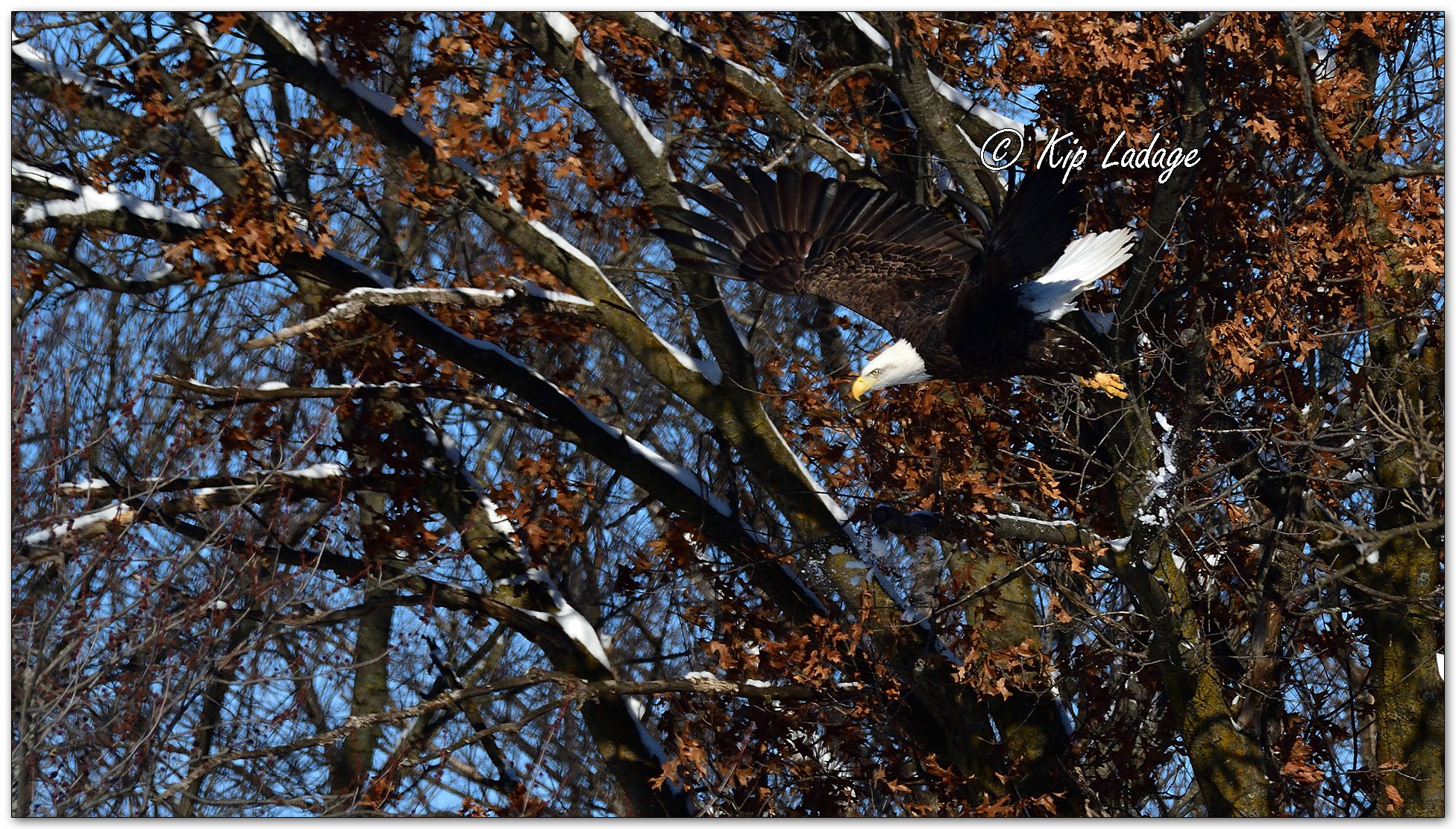
Bald Eagle in Winter - Image 1048298