Kip’s Comments - May 17, 2026
Now I Understand… Nature is So Confusing
For so long I have been doing my best to instill an appreciation of nature in a friend of mine. Let’s call him “Buttercup.” The process has not been easy. Where I see wildflowers he sees a need for Roundup. When I want to stop to enjoy a bird or butterfly sighting, he equates the pause to watching a snail migration.

Birding Buttercup
This may become a life-long challenge for me that, until today, I could not understand. Why has it been so difficult for Buttercup to make sense of nature so he too develops a passion for the outdoors? Then I realized the issue… the naming of fauna and flora is confusing. Consider these two examples.
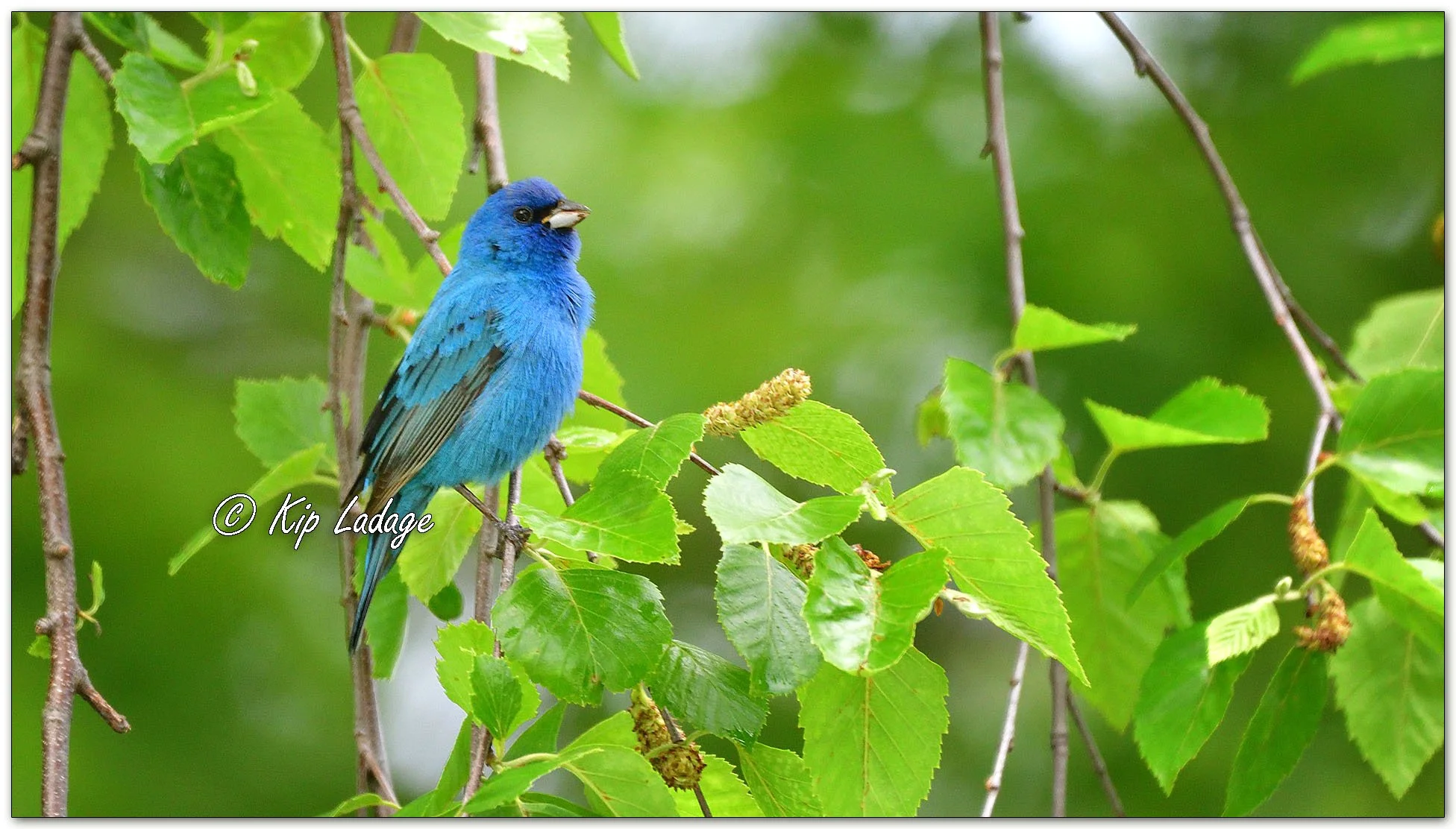
Male Indigo Bunting - Image 1097539
Here we have a blue bird that really isn’t a bluebird, but yet it is a blue bird. This blue bird (a male) is named the “Indigo Bunting.” Compare the blue bird known as the indigo bunting to the eastern bluebird, a bird that is not as blue as the bunting, yet is known as a bluebird.
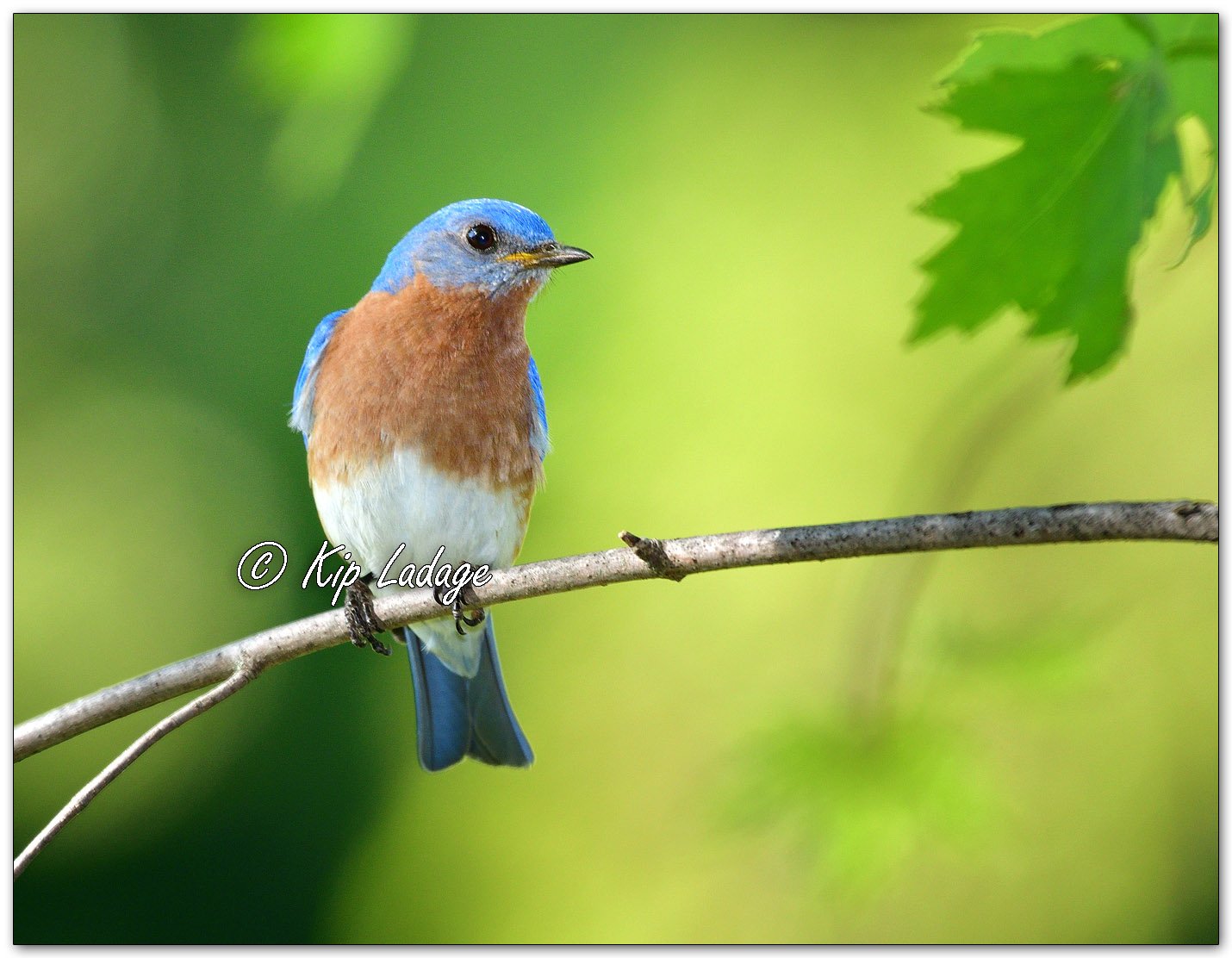
Eastern Bluebird - Image 977194
Not only isn’t a bluebird as blue as an indigo bunting, it actually has an orange/red breast like a robin. Both the robin and the bluebird are in the thrush family. See how confusing this gets?
Now let’s consider the naming of plants. Featured below is a yellow goat’s beard, a plant that grows along roadsides - among other places - where dandelions commonly thrive.
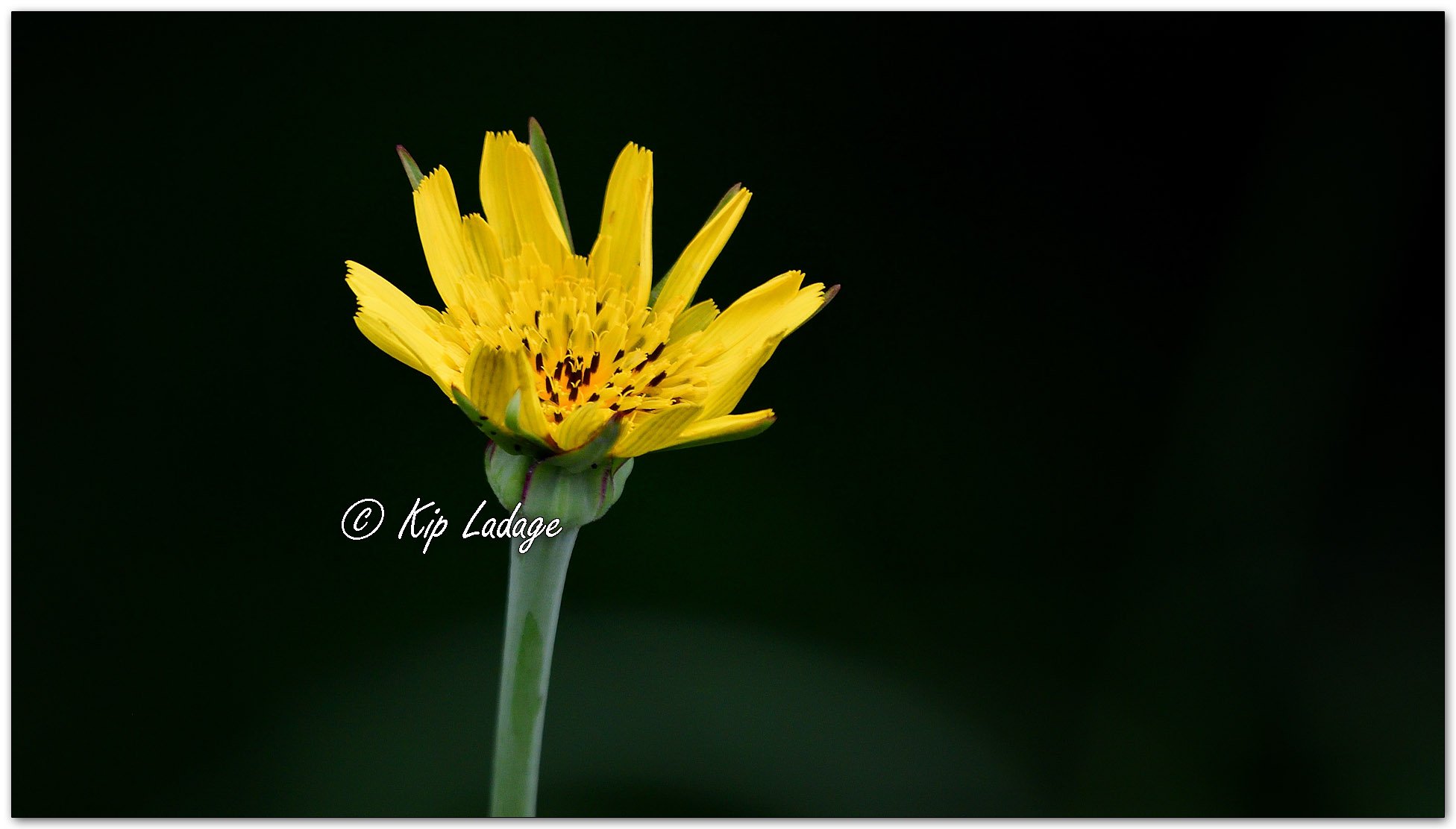
Yellow Goat’ s Beard - Image 1097609
Not only might this pretty plant be confused with dandelions, but it has more names than just “yellow goat’s beard.” Some might call it “yellow salsify” or even “wild oysterplant.”
Shown below is a dandelion, also referred to as blowball, cankerwort, and puffball.
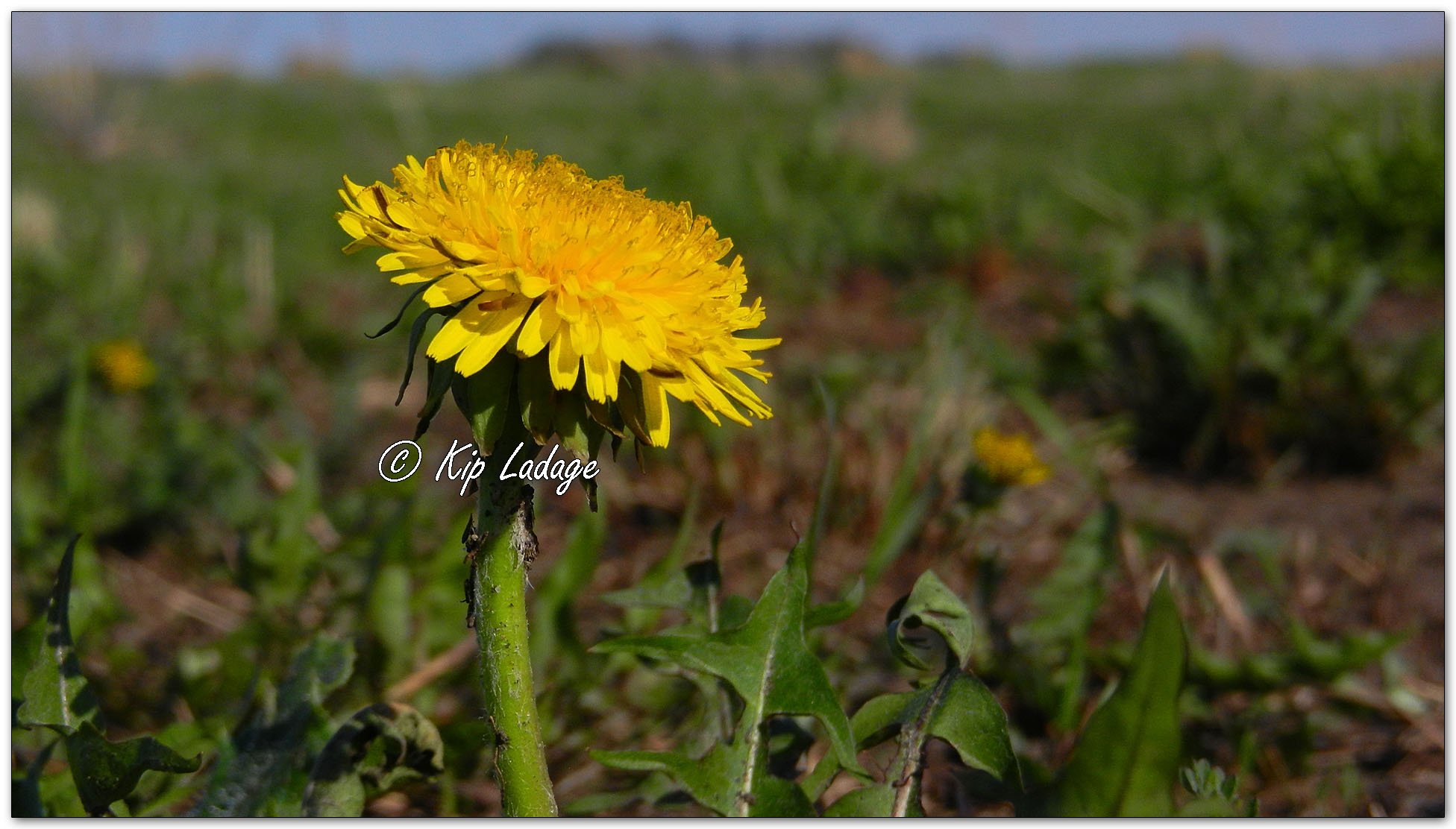
Dandelion - Image 1090977
Yellow goatsbeard (another accepted spelling) is not always consider a weed while dandelions likely are in most locations.
I will continue to work with Buttercup as his fondness for the outdoors matures. Might it be years for that excitement to develop? Maybe, but it will be worth it.