Kip’s Comments - April 13, 2026
Sharing What I Learned
When I went outside early this morning to look around at the heavy fog, I eventually looked down at the ground. I was somewhat surprised to see many nightcrawlers mating, even though daylight was present. After photographing the loveworms, I then did a little research on them and was surprised by what I learned.
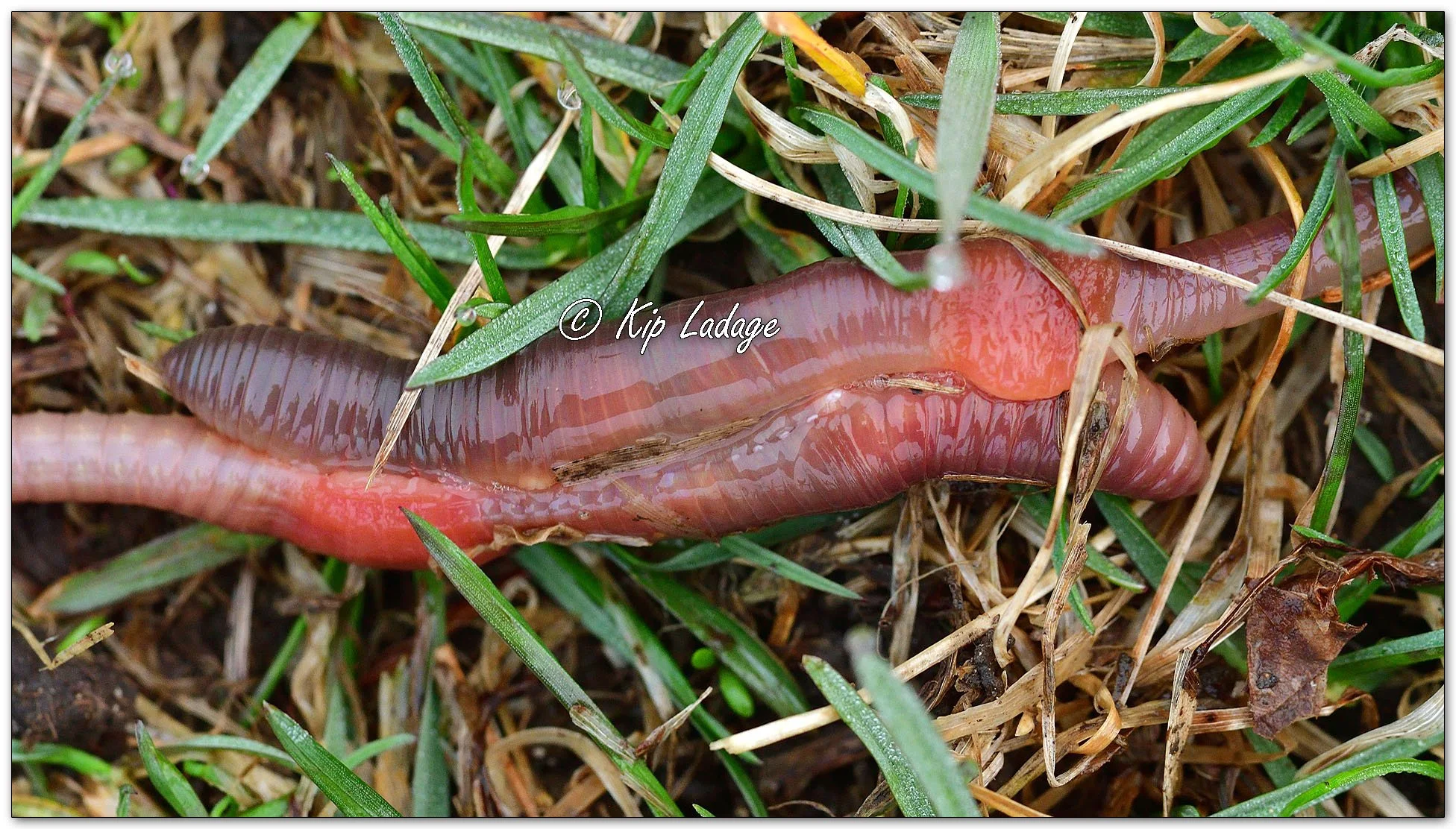
Nightcrawlers Mating - Image 1086839
Iowa has no native worms. All worms you see in Iowa are invasive species.
As earthworms create tunnels in our soil, they provide an ability for air and water to penetrate deeply. This is a positive impact as the soil structure is improved and enhanced.
Earthworms create natural fertilizer through their castings (excrement). Castings are beneficial for plants.
Earthworms feed on plant residue to speed up the decomposition process. This ability is beneficial for soil fertility. But, this process is also detrimental to hardwood forests. Without leaf litter (consumed by earthworms) some native plants struggle to germinate/thrive. This loss of leaf litter also negatively impacts some forest animals that feed on leaf litter.
Earthworms can process their own body weight as soil and organic content is consumed.
Under the right conditions, earthworms can regenerate lost segments.
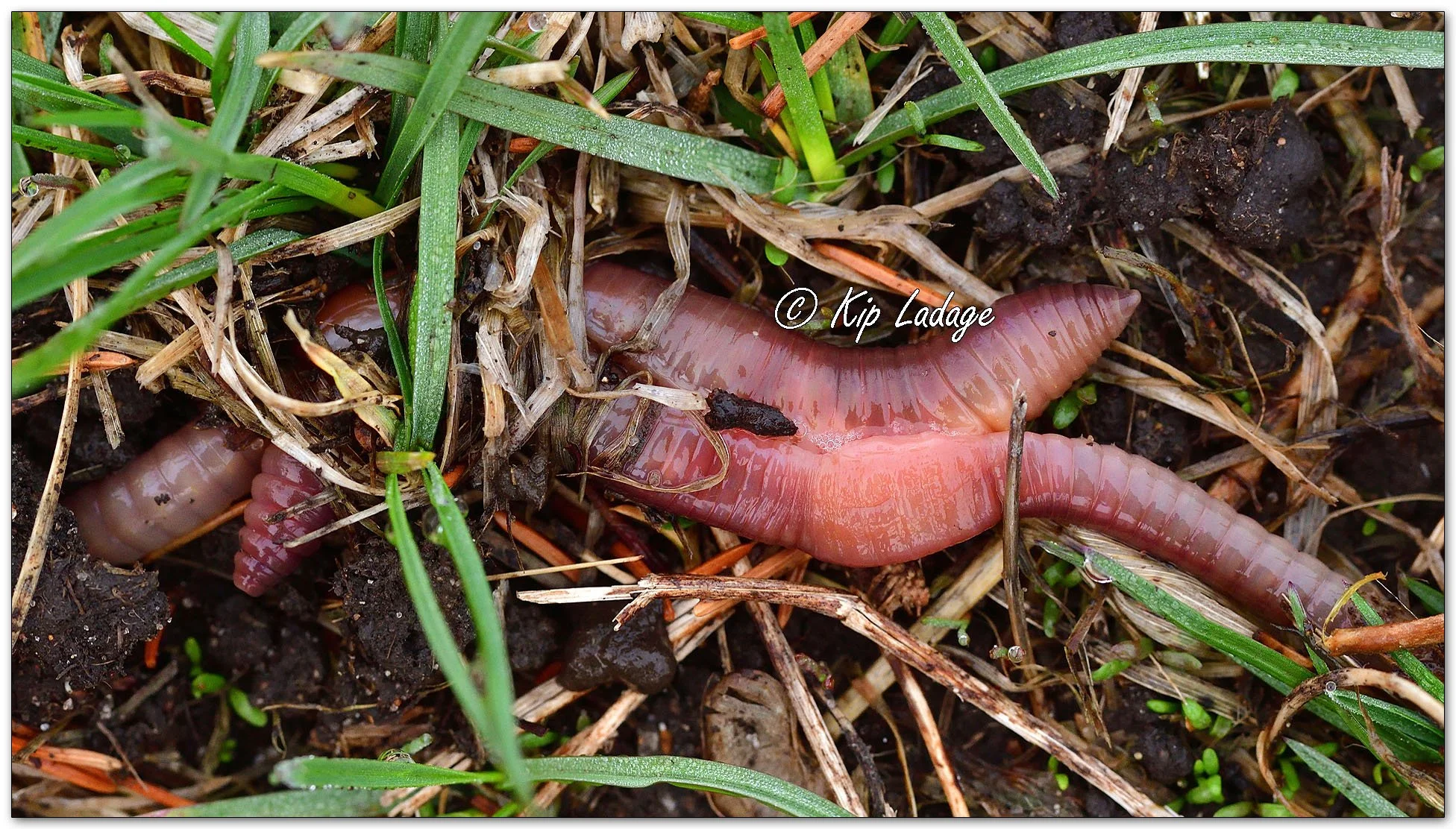
Nightcrawlers Mating - Image 1086847
Earthworms are both male and female. Self-fertilization does occur, but mating behaviors increase diversity within the species.
A “Jumping Worm” has been documented in about a dozen counties in Iowa. The impacts of this worm are much worse than “nightcrawlers.” Jumping worms are aggressive eaters and thrash/move like snakes when disturbed.
I will stop with this information. If you ever win on Jeopardy! due to this list of earthworm details, please remember me!
———————————————————-
After studying nightcrawlers I went to Sweet Marsh to look around. Nothing unusual was noticed, but I did shoot some photos of the “ordinary.”
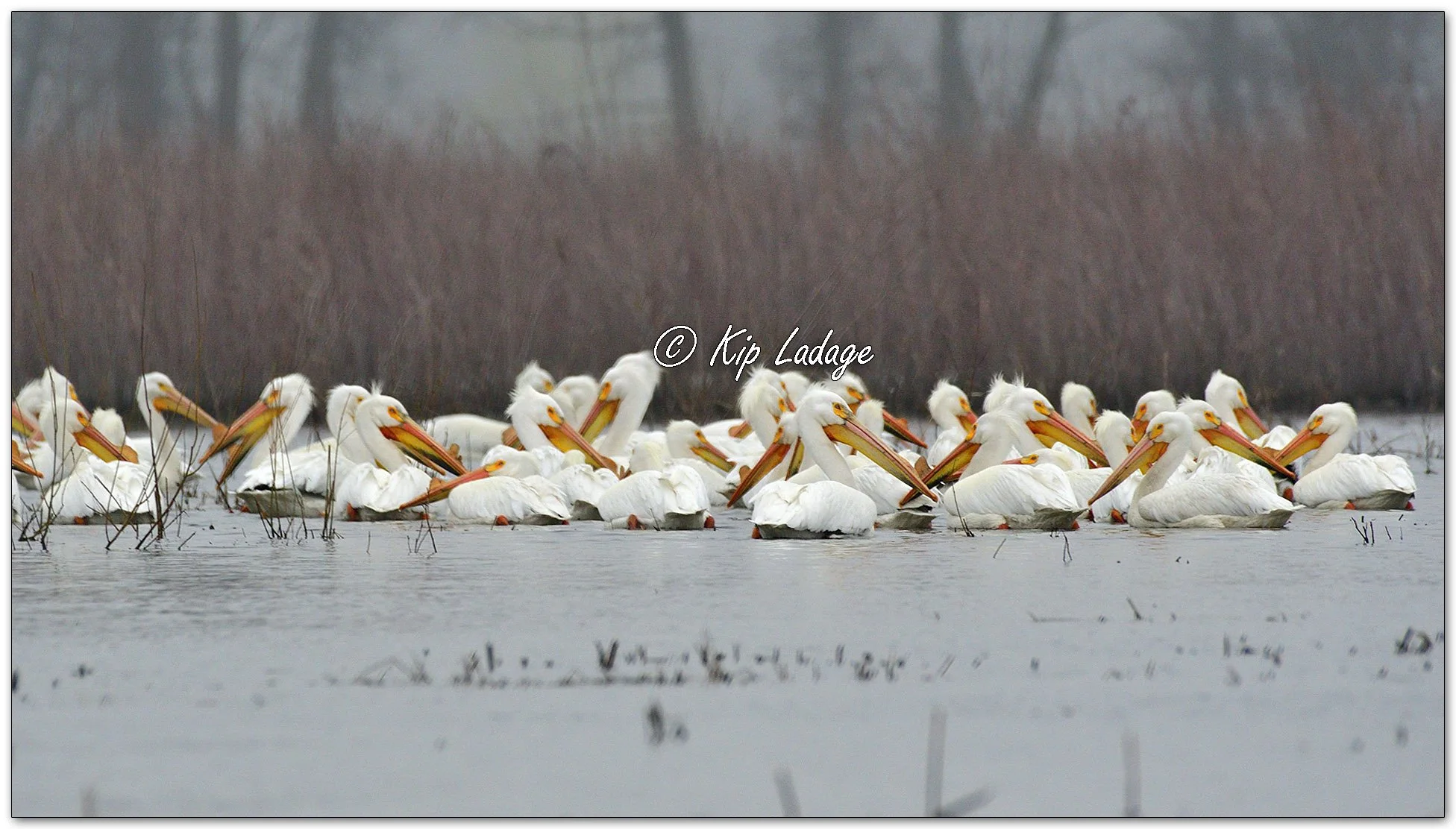
American White Pelicans - Image 1086568
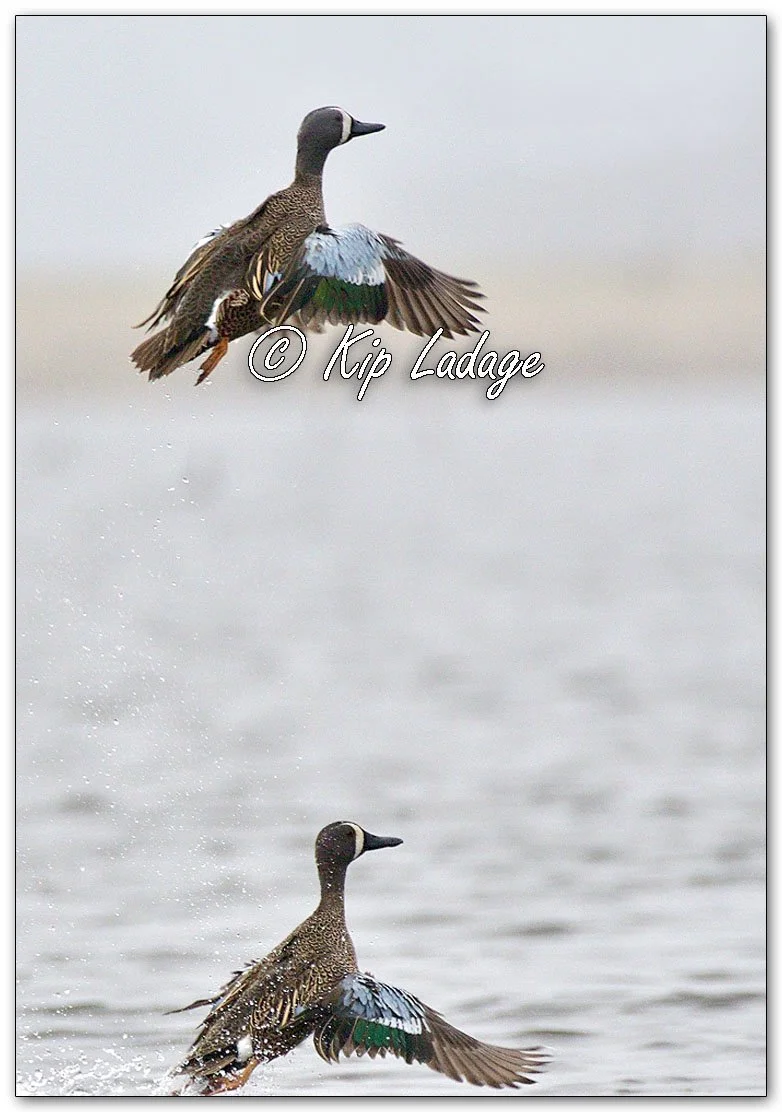
Blue-winged Teal Taking Flight - Image 1086588
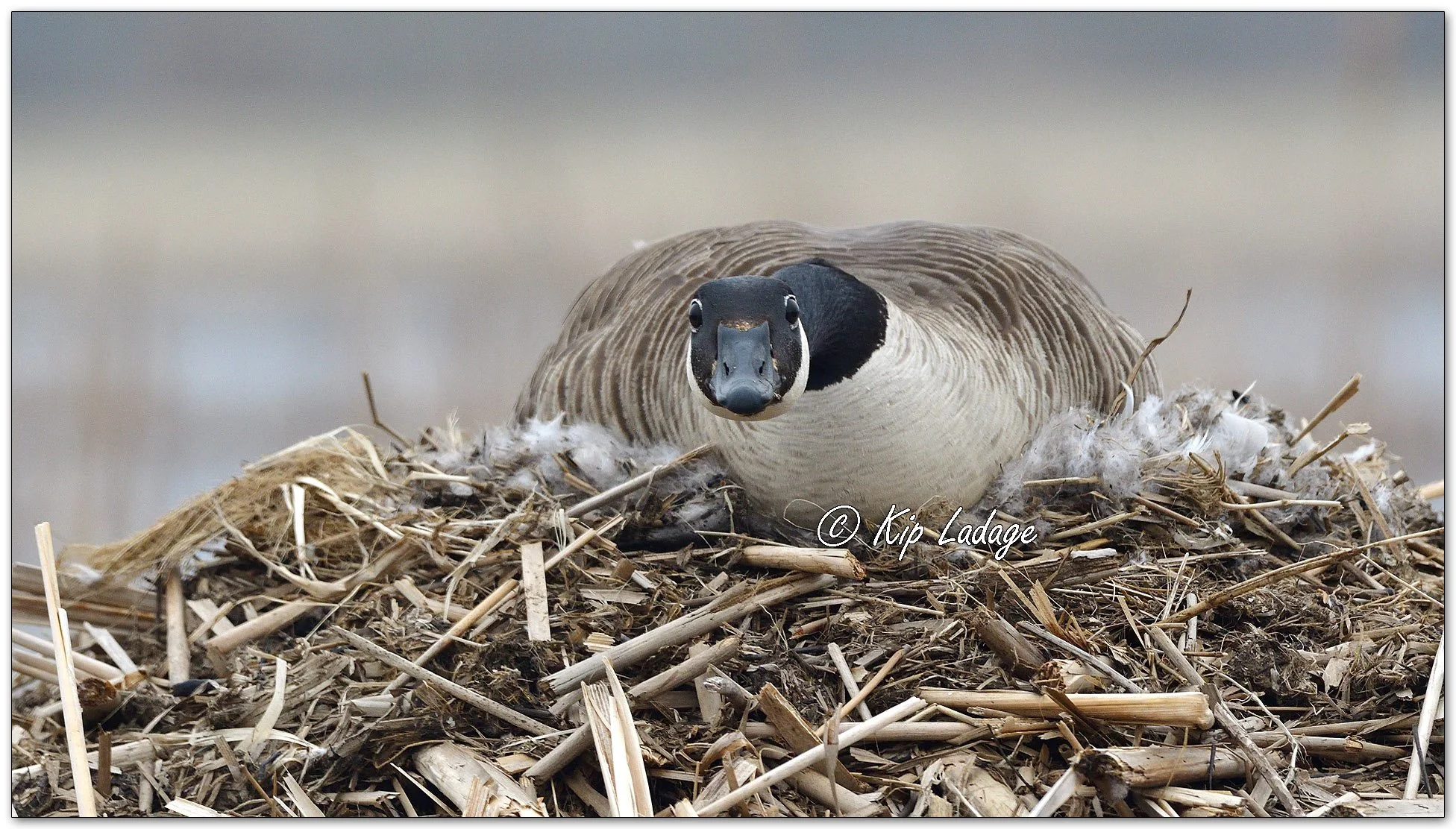
Canada Goose on Nest - image 1086707
Since it was foggy, I did shoot a photo of our spruce trees in fog.

Spruce Tree Tops in Fog - Image 1086872