Kip’s Comments - March 21, 2026
Leucistic Whitetail Deer and Close Encounters of the Wildlife Kind
Some time ago I was made aware of an albino deer being seen. It has taken some time but I finally found the deer a while ago. Although neither image shared here provides a clear view of this unique deer, enough detail exists (I think) to answer a question. Is this a leucistic deer or an albino deer?
My belief, based on the images, is that this is not an albino whitetail deer, but is a leucistic whitetail deer. Both are rare versions of whitetail deer, with albino deer being even more rare than leucistic deer.
For an animal to be considered albino, it must completely lack pigment. The nose, hooves, and the eyes should be pink.
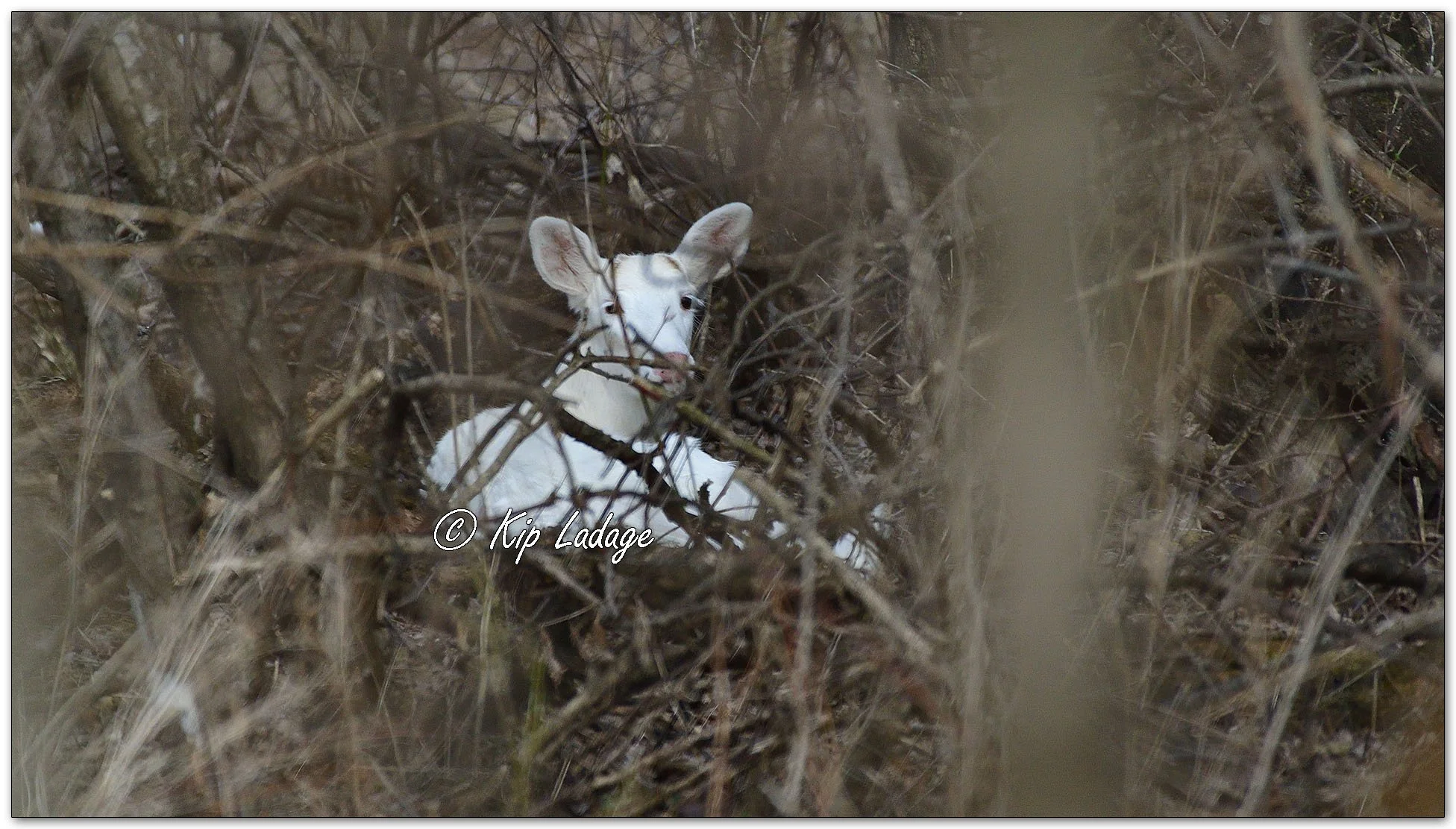
Leucistic Whitetail Deer - Image 1075844
We cannot see the hooves in any photos, so let’s eliminate that from consideration. The nose is pink, but the eyes are not. No matter how the deer’s head was facing me, I always saw dark color in the eyes.
When you look at the hair on the side of the deer when it is standing, some faint color is visible… not much, but some. It is possible that faint coloration was from laying on the forest floor, but I don’t think so.
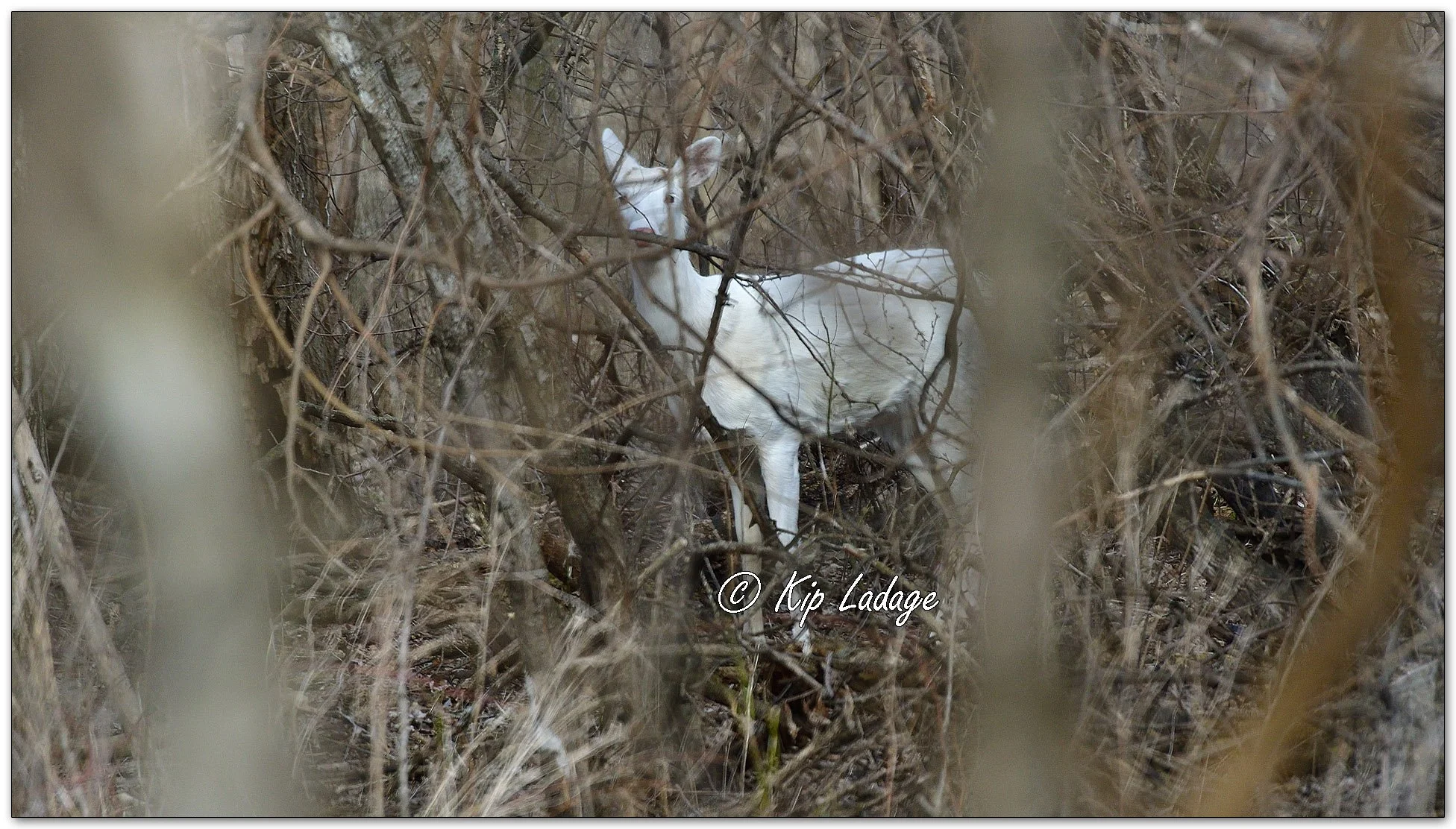
Leucistic Whitetail Deer - Image 1075908
Research on albino and leucistic deer indicates that both will breed and can pass the mutant genes. Albino deer tend to have poor vision. Both albino and leucistic deer and pie-bald deer (normal color with splotches of white) tend to face more challenges with survival due to their visibility. That said, this deer was a challenge to find. I looked for a couple of months before finding this deer.
Leucistic or albino, this deer is rare. I will not be sharing any location information.
Close Encounters of the Wildlife Kind
As I began my walk this morning at Sweet Marsh I had not one, but two mink within yards of me. One mink appeared to be attempting to escape the other mink. Once the first (submissive) mink was out of the picture, the more bold mink turned its attention to me. Twice the mink ran in my direction at close range. Both times the mink stopped when it heard my camera clicking. I wonder if this is the same mink that approached so close last week or the week before.
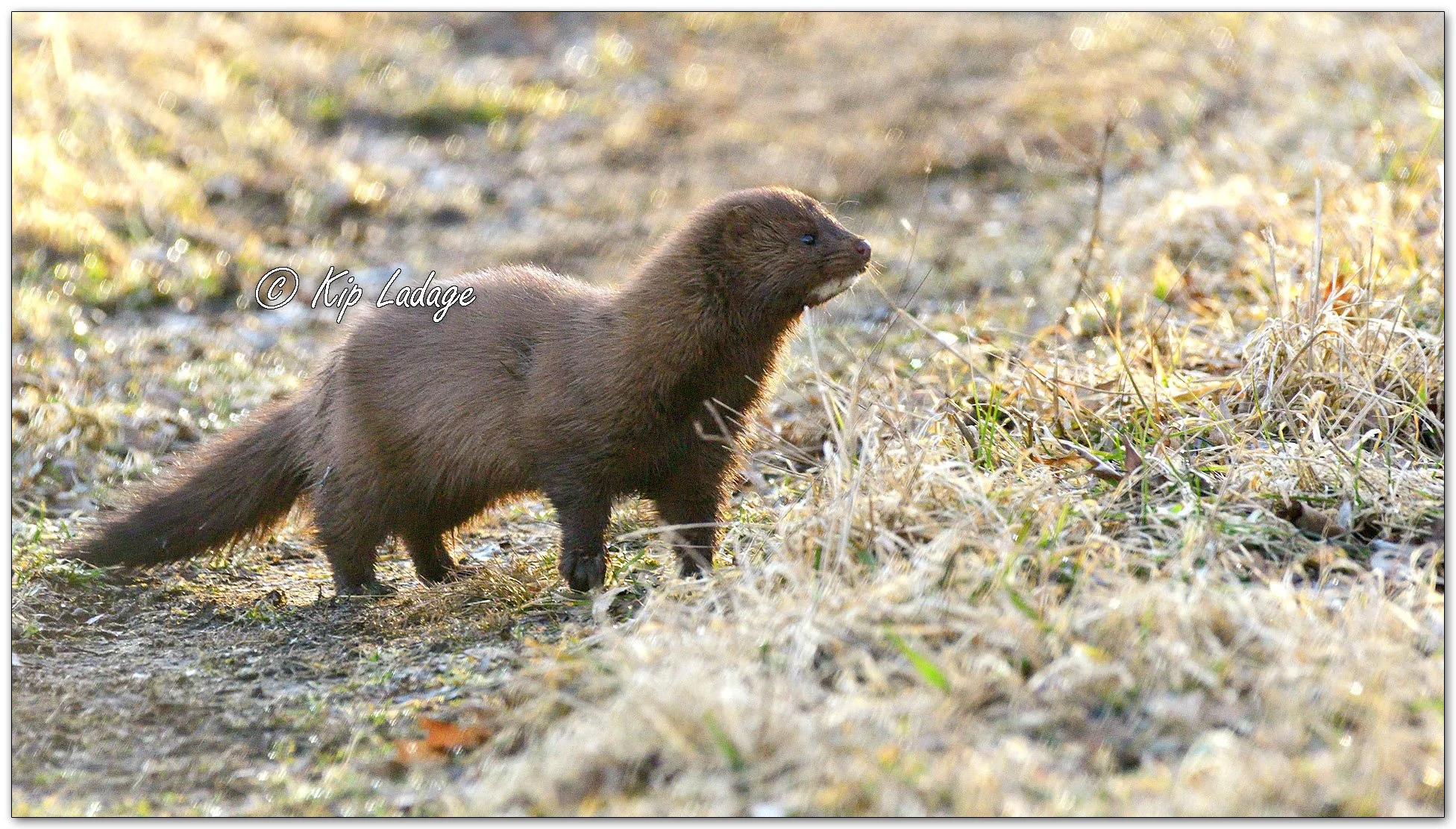
Mink - Image 1076227
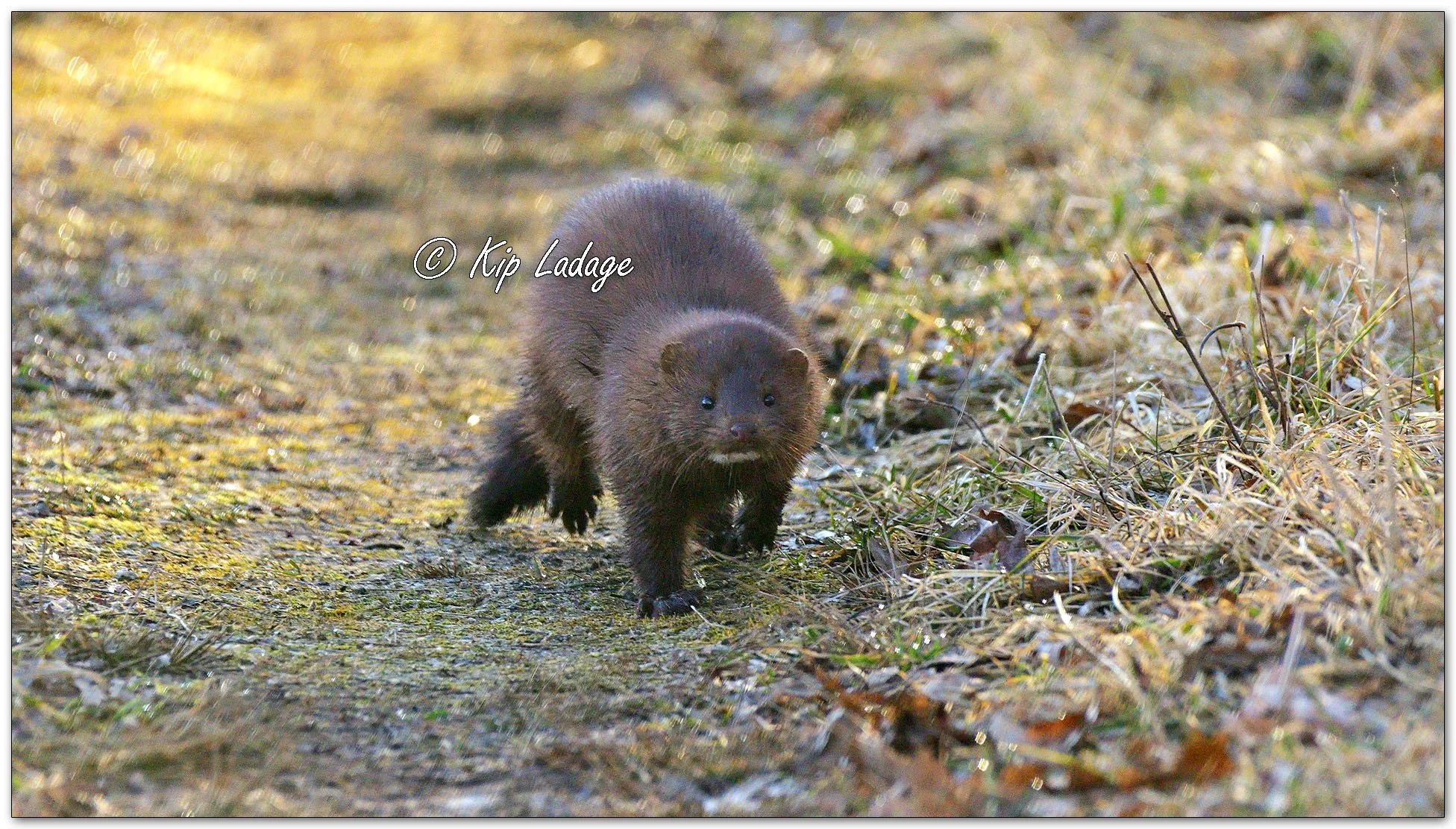
Mink - Image 1076233
After seeing the mink my subsequent wildlife observations were all of the avian variety. I saw fewer ducks at close range, but the even smaller birds are beginning to arrive. Still present in high numbers are the cranes and swans, with a couple of American pelicans present too.
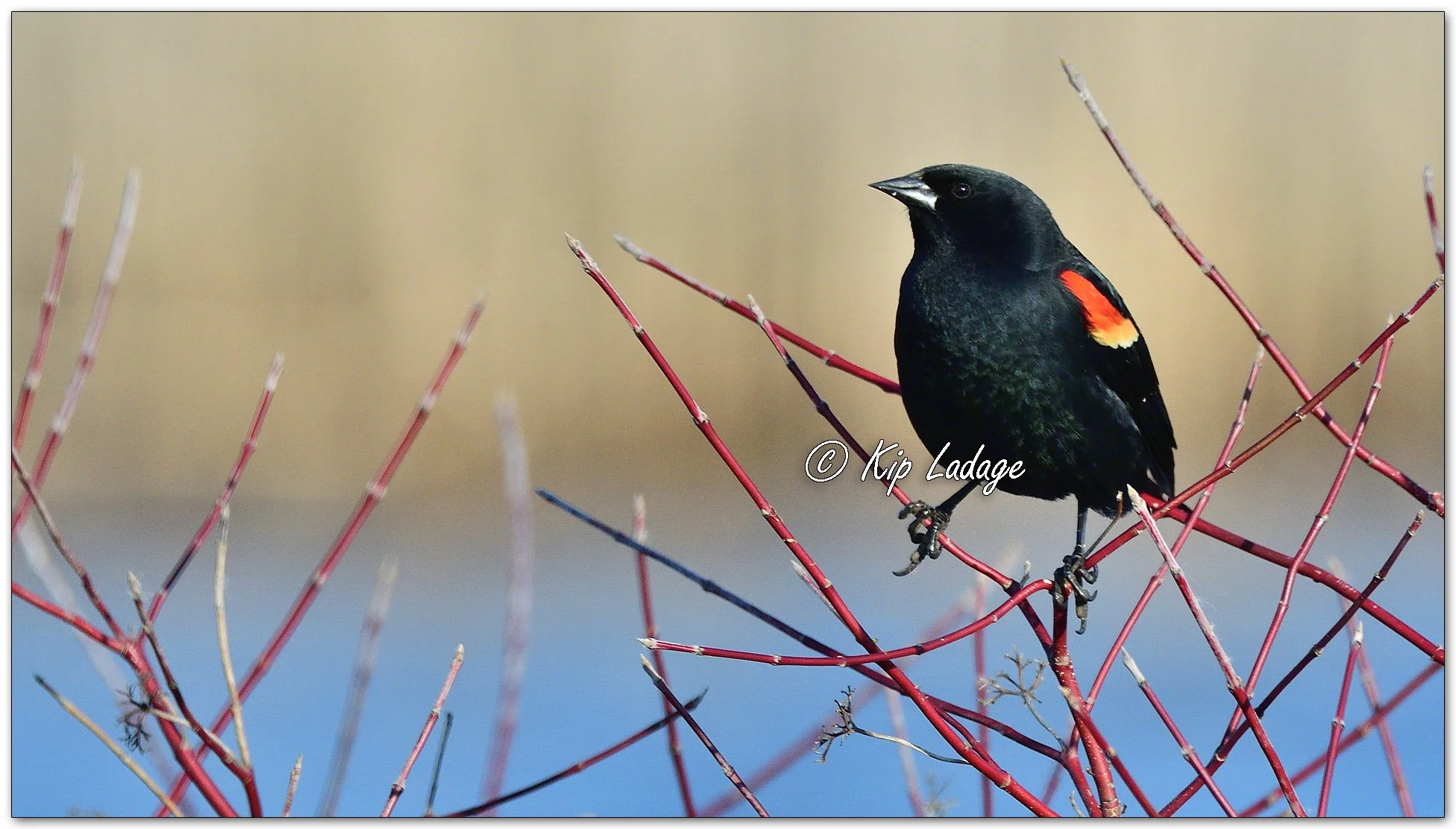
Male Red-winged Blackbird - Image 1076177
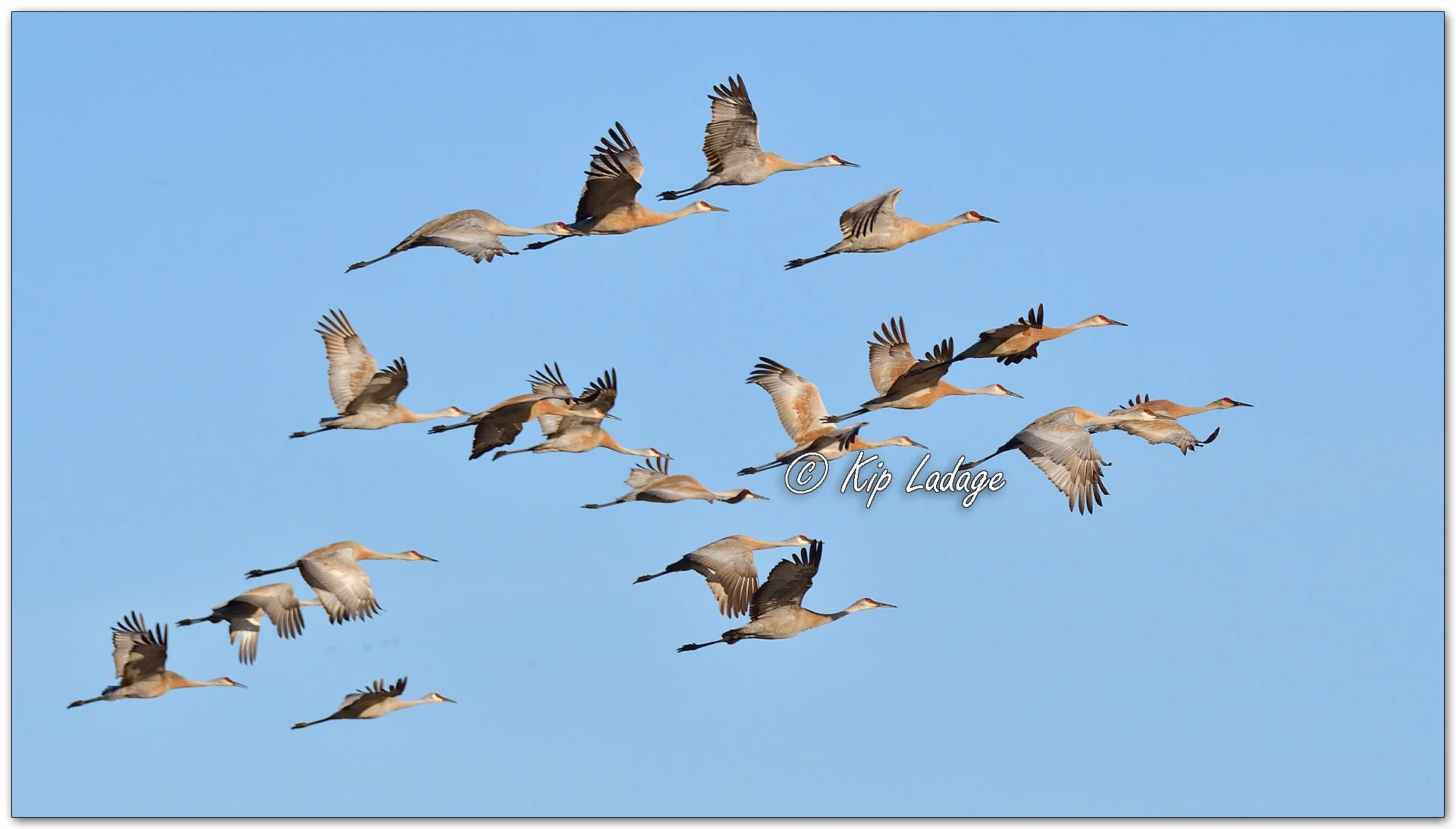
Sandhill Cranes - Image 1076325
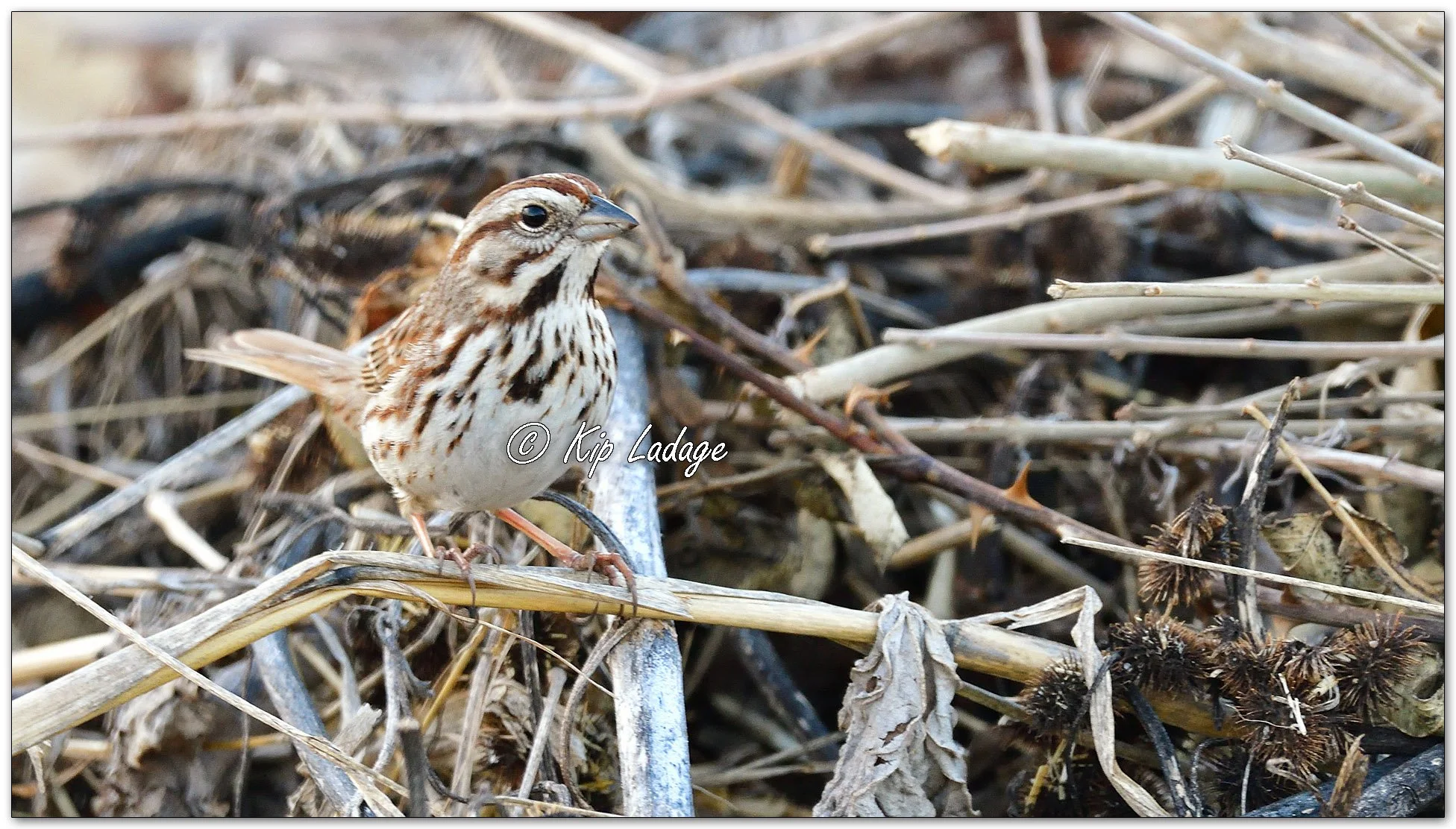
Song Sparrow - Image 1076372
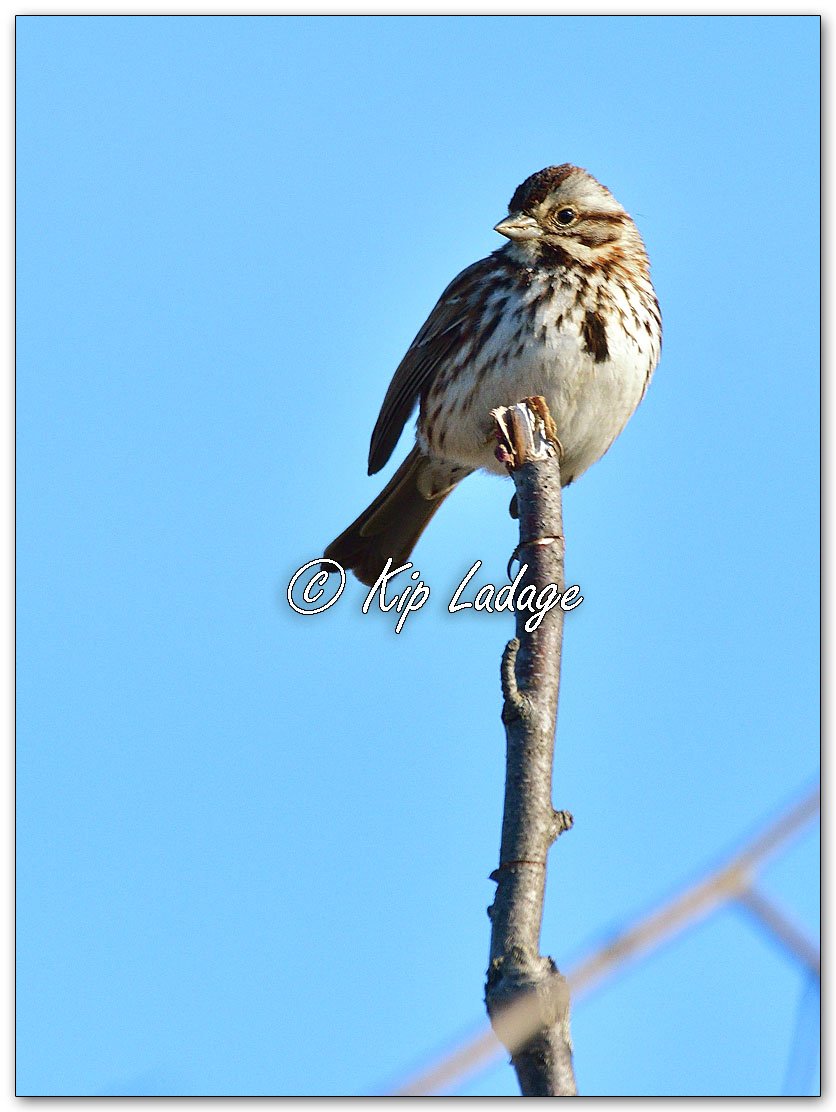
Song Sparrow - Image 1076408
Frogs of many species were active this morning. At least one dike was full of frogs crossing from deeper water to shallower water.
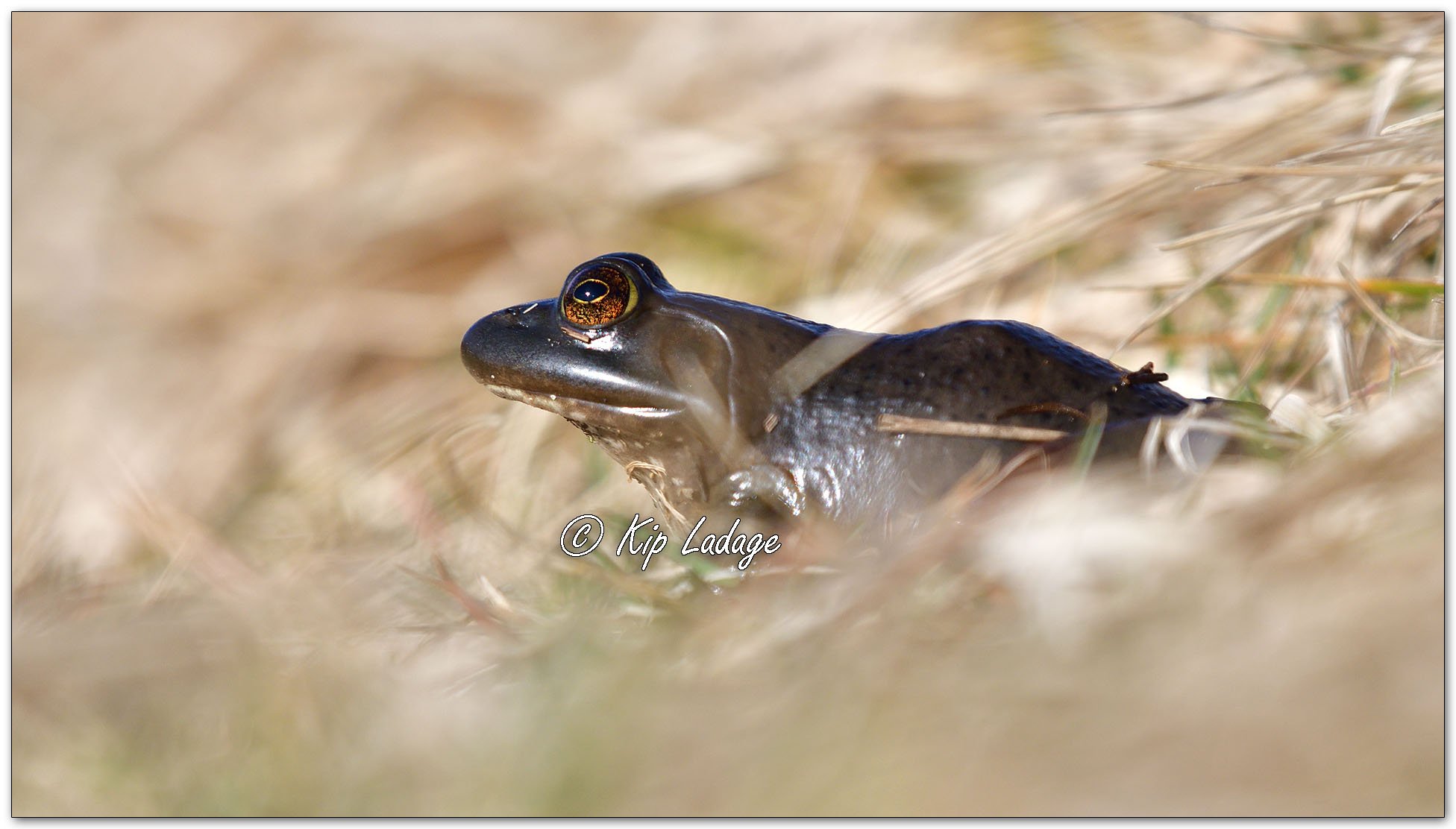
First Bullfrog of the Year - Image 1076107